The rise of social media in the 21st century has remarkably impacted numerous sectors, like fitness and athletics. As of 2024, there are over 320,000 fitness influencers on Instagram and over 220,000 on YouTube (Tagliaferro, 2024). With the tremendous increase in fitness influencers, the gym and athletic community have changed, particularly regarding views of steroids, diet, fitness, and a proper lifestyle. With the increase in gym influencers, perceptions of what a “healthy” person looks like and is capable of have become almost unnatural. The constant bombardment of pictures and videos of physiques and personal records very few can attain is standardizing high expectations (Buchanan et al., 2023). However, things are very different behind the scenes, with countless factors compiling to see what’s presented to you on social media.
Influencers often utilize AI and filters, as altering progress and physique from natural to unnatural increases comments, likes, shares and the chance to go viral (Buchanan et al., 2023). It also puts influencers on a pedestal, as they seem to have the ideal physique, making their advice valuable (Lee et al., 2022). Moreover, for posts and videos, most fitness influencers have set conditions to make their physiques and progress seem more significant than they actually are. Some examples include lighting, camera filters, mirror clarity, angle, posing, and taking photos after a pump (muscle enlargement immediately after lifting). In Figure 1, a fitness influencer posted an example of this, where the only difference between the 2 photos is the tightening of the abs and chest for a good photo and good posture. However, this person doesn’t walk around looking shredded (a lean body aesthetic) all day.

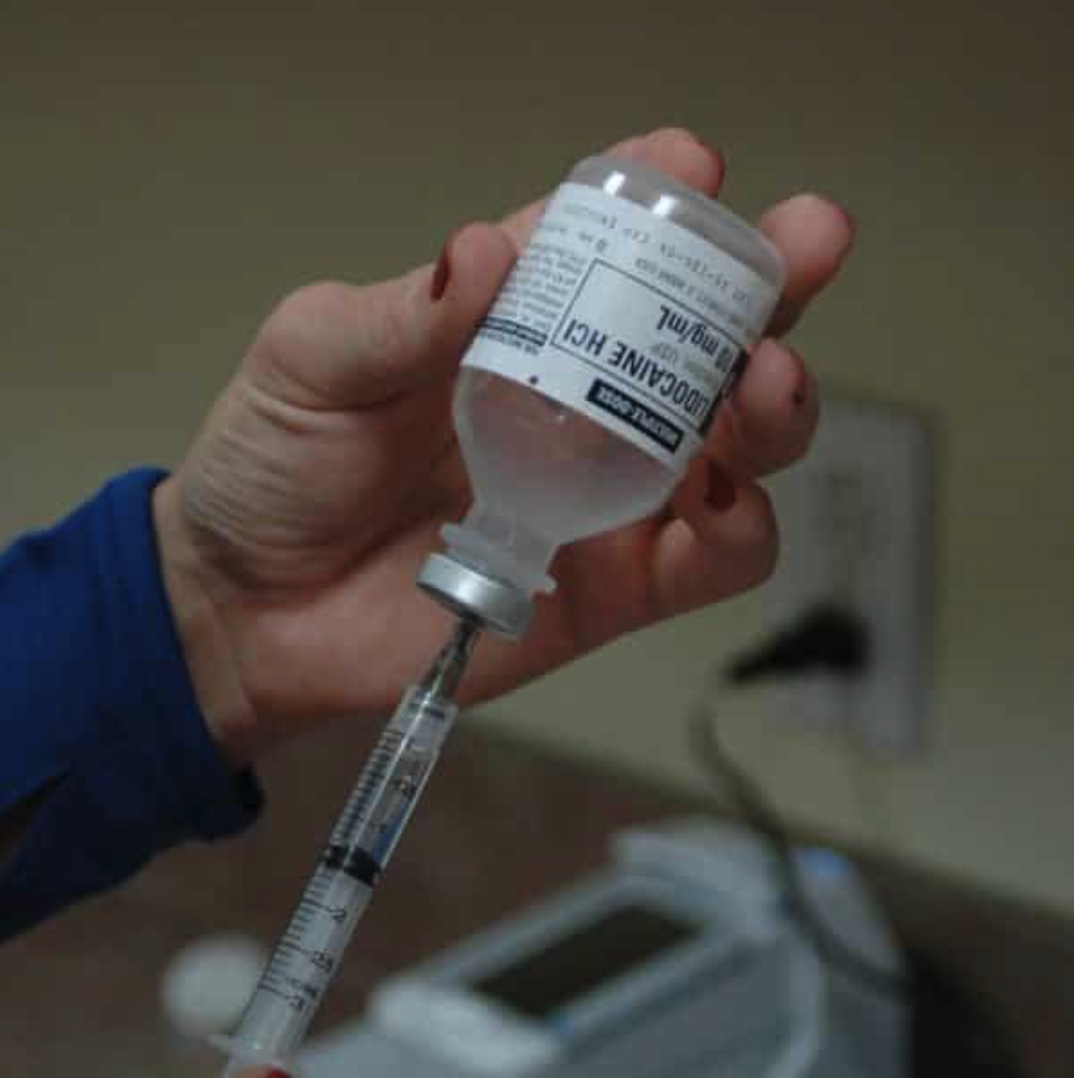
With the normalized physique becoming more unnatural, the “ideal physique” becomes challenging to achieve and has led to many influencers turning to performance and image-enhancing drugs (PIEDs) such as steroids (Cox & Paoli, 2023). Not only do some fitness influencers use steroids and PIEDs, but they also encourage others through advertisements and sponsorships. Steroids have harmful physical and psychological effects on the body, including hair loss, reduced tolerance, increased aggression and altered hormone levels. They’re also illegal, and to possess/distribute them is a criminal offence (Cox & Paoli, 2023). Nonetheless, they help fitness influencers attain the desired look needed to gain popularity and generate revenue. Steroids are typically self-administered via needles, which in itself poses health risks like improper sterilization-caused infections (Figure 2) (Ferran, 2022).

These fake perceptions that are conveyed are very destructive, as people often begin to develop self-doubt, turning to alternatives. Currently, about 3-4 million Americans use PIEDs, including steroids (AlShareef et al., 2023). In hopes of achieving the progress and looks that they need, many turn to steroids. Moreover, many are impacted psychologically through decreased motivation, inspiration, confidence and more stress due to the unrealistic expectations individuals develop regarding their progress and self-image (Lee et al., 2022). Furthermore, the average individual is inclined to take the advice and products of these influencers when these influencers are only trying to profit.
In essence, the use of AI, filters, steroids and faking photos and videos by fitness influencers cause adverse perceptions in the average individual who chooses to stay fit in some way. This effect may lead many to pursue harmful alternatives to achieve these unnatural “norms.” Every individual is unique, so everyone’s goals will be different, and the time and effort needed to achieve them will vary.
References
AlShareef, S., Gokarakonda, S.B. and Marwaha, R., 2023. Anabolic steroid use disorder. [online] StatPearls. Available at: <https://www.ncbi.nlm.nih.gov/books/NBK538174/> [Accessed 19 Feb. 2024].
Buchanan, J., Kim, H. and Eickhoff-Shemek, J.M., 2023. Fitness/wellness professionals as social media content creators and Influencers. ACSM’S Health & Fitness Journal, [online] 27(1), pp.41–44. Available at: <https://journals-lww-com.libaccess.lib.mcmaster.ca/acsm-healthfitness/fulltext/2023/01000/fitness_wellness_professionals_as_social_media.11.aspx> [Accessed 19 Feb. 2024].
Cox, L.T. and Paoli, L., 2023. Social Media Influencers, YouTube & Performance and image enhancing drugs: A narrative-typology. Performance Enhancement & Health, [online] 11(4). Available at: <https://www-sciencedirect-com.libaccess.lib.mcmaster.ca/science/article/pii/S221126692300035X>.
Darling, M., 2021. A fitness model revealed what his body really looks like without … [online] Men’s Health. Available at: <https://www.menshealth.com/fitness/a36420354/fitness-model-abs-transformation-instagram-joss-mooney/> [Accessed 19 Feb. 2024].
Ferran, N., 2022. Shoulder steroid injections explained. [online] London Shoulder Surgeon | London Elbow Surgeon. Available at: <https://shoulderandelbowlondon.com/2018/11/01/steroid-injection-shoulder/> [Accessed 19 Feb. 2024].
Lee, J.A., Lee, S.Y., Ryoo, Y., Kim, W. and Sung, Y., 2022. The psychological consequences of envying influencers on Instagram. Cyberpsychology, Behavior, and Social Networking, [online] 25(11), pp.703–708. Available at: <https://www-liebertpub-com.libaccess.lib.mcmaster.ca/doi/10.1089/cyber.2022.0001> [Accessed 19 Feb. 2024].
Tagliaferro, L., 2024. 50+ essential fitness statistics, facts and trends (2024). [online] Future Fit. Available at: <https://www.futurefit.co.uk/blog/fitness-statistics/> [Accessed 19 Feb. 2024].