Category: public posts
The select public posts from syn·op·sis, written and reviewed by iSci students at McMaster University. Each post is interdisciplinary in nature, and a wide variety of subject matter is covered. So sit back, relax, and start learning.
-
Cinnamaldehyde to the Rescue!
When out for a shopping trip, it can be difficult to resist the delicious odour of Cinnabon in the mall that seems to follow wherever you go. But have you ever considered the molecule that gives cinnamon buns their amazing taste and smell? Meet cinnamaldehyde (see Figure 1), a yellow oil produced naturally in the…
-
When Life Gives You Mold, Discover Penicillin
Science is a field that is unpredictable and challenging, yet fascinating. Throughout their careers, scientists have come face-to-face with successes, failures and rejections. They have put great amounts of dedication into projects and may have even experienced a light bulb moment when identifying a solution after working on a long problem. But imagine stumbling upon a…
-
Bee Free to Pollinate
An ecosystem is a highly complex network of interactions between plants, animals, and the environment. Within this ecological community, there are two groups of organisms that are completely essential. Plants and pollinators share a crucial type of relationship for genetic and reproductive purposes. From the plant’s perspective, it produces pollen as the male gametophyte (Komosinska-Vassev…
-
Why are men more likely to commit suicide?
Do women have better handwriting than men? Do men have better geospatial senses than women? These are common questions that can come up in conversation to debate. However, there is no debate to men’s high suicide rates. Statistics Canada has consistently claimed men to be three times more likely to commit suicide than women (Figure…
-
Breathable Skin – Your Green Fix
Are you a fan of the incredible hulk? Ever wanted to be just like him in all of his green glory? Here’s your chance! Professor Tomas Egana from the Institute of Biological Engineering at the University of Chile created the concept of algae-infused artificial skin.1 As seen in figure 1, traditional artificial skin grafts use…
-
What Actually Causes Alzheimer’s Disease?
The brain is the most complex organ in the human body. As one ages, the structure, function, and connectivity of the brain changes. Alzheimer’s disease is a degenerative brain disease, namely characterized by memory loss, and is a clear example of these changes in the brain (Alzheimer’s Association, 2015). This disease is the most common…
-
Shut-Eye 1A03: A Prerequisite for Fear Recognition
There are two metal cages with an individual in each cage. Keys to exit the cages hang within reach of both individuals. The floor of both cages holds a rattlesnake with silt-coloured scales that intersect creating a spike-like pattern that mirrors speared fangs. In the first cage, upon recognizing imminent danger, the individual quickly reaches…
-
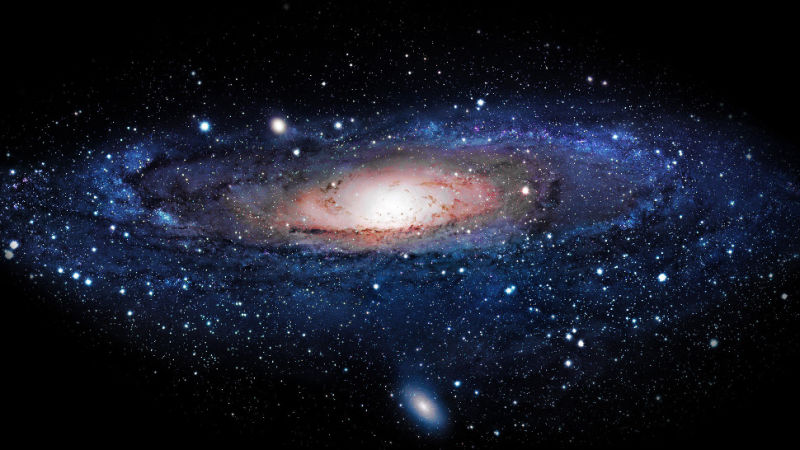
“Where is everybody?” – A Little Blue Planet’s Search for Companionship
For thousands of years, mankind has pointed their heads heavenward and has pondered the daunting question – “Are we alone?” One afternoon in the 1950s, amid a lunchtime meet with colleagues, Enrico Fermi (Fig. 1) posed a question that would baffle scientists and pique the interest of the general public for years to come. It suddenly…
-
Enhance Your Memory!
Wouldn’t it be great if playing a videogame in study breaks can help you remember what you studied? Well, a study published in Nature suggests that this is possible. The study investigated how memory retention in humans and animals is enhanced by the occurrence of a novel event before or after memory encoding (Takeuchi et al., 2016).…
-
The H₂oly Grail of High Pressure Physics
Energy loss during transportation is inevitable – today. But the future holds incredible possibilities, a future made possible by the production of solid metal hydrogen at Harvard University. Dubbed the “holy grail of high pressure physics,” this new discovery has much to offer (Reuell, P., 2017). In light of the current global energy crisis, the…