Tag: Mental Health
-
Understanding Psychosis and Exploring Alternative Therapies
Psychosis is a symptom associated with a range of mental illnesses, such as schizophrenia, bipolar disorder, and depression. It has the tendency to alter an individual’s state of mind, and thus, distort their perception of reality (Kesby, et al., 2018). This may lead to the onset of positive symptoms. These are a subset of symptoms…
-
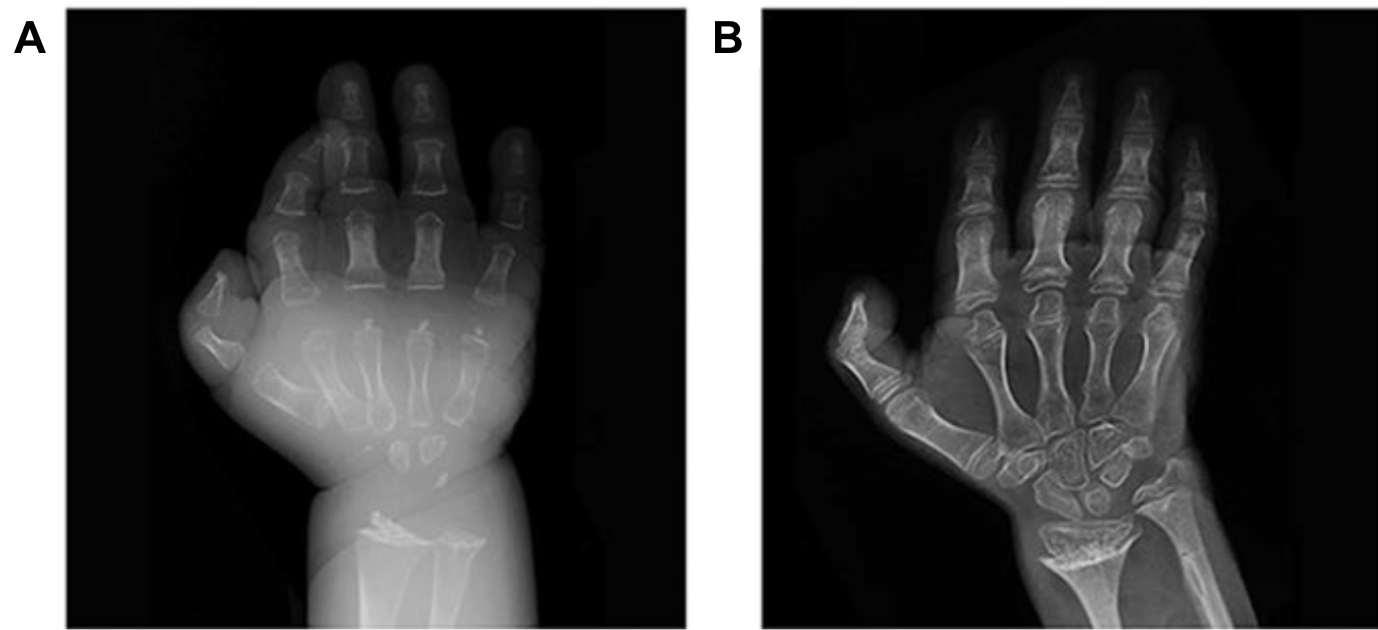
Misdiagnosis of Physical Illnesses as Mental Disorders
Multiple studies conducted in the 1980s and 1990s concluded that up to 80% of patients who received psychiatric treatment were misdiagnosed (Klonoff & Landrine, 1997). Diagnostic shadowing is the attribution of a person’s symptoms to a psychiatric illness without testing for the potential existence of underlying physical disorders (Happell, et al., 2016). Frequent diagnostic errors…
-

Homeostatic Impacts of PTSD at the Cellular Level
Post-traumatic stress disorder (PTSD) can develop after a traumatic event, with its impacts originating at the subcellular level (Girgenti, et al., 2017; Yehuda and Seckl, 2011). The pathophysiology of PTSD at this scale is characterized by a disruption of glucocorticoid (GC) hormone signaling which has implications on other cellular processes related to stress regulation. Cortisol,…
-
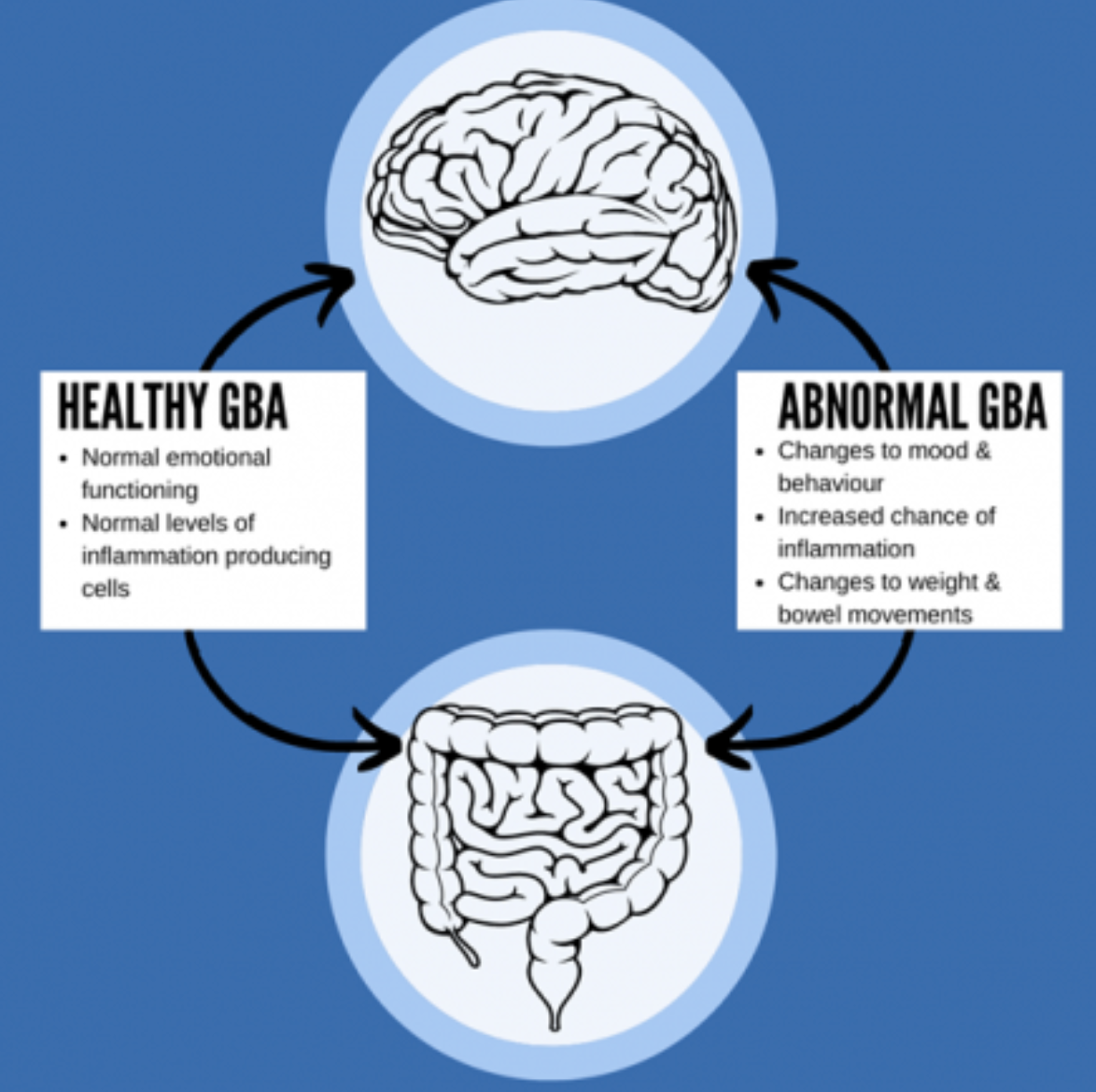
The Connection between IBD and Mental Health
Chronic illness can be incredibly debilitating both mentally and physically and can really take a toll on an individual’s quality of life. Youth with inflammatory bowel disease (IBD) including ulcerative colitis and Crohn’s disease, deal with pain on a day to day basis (Szigethy, et al., 2017). Essentially, IBD causes inflammation in the digestive tract,…
-
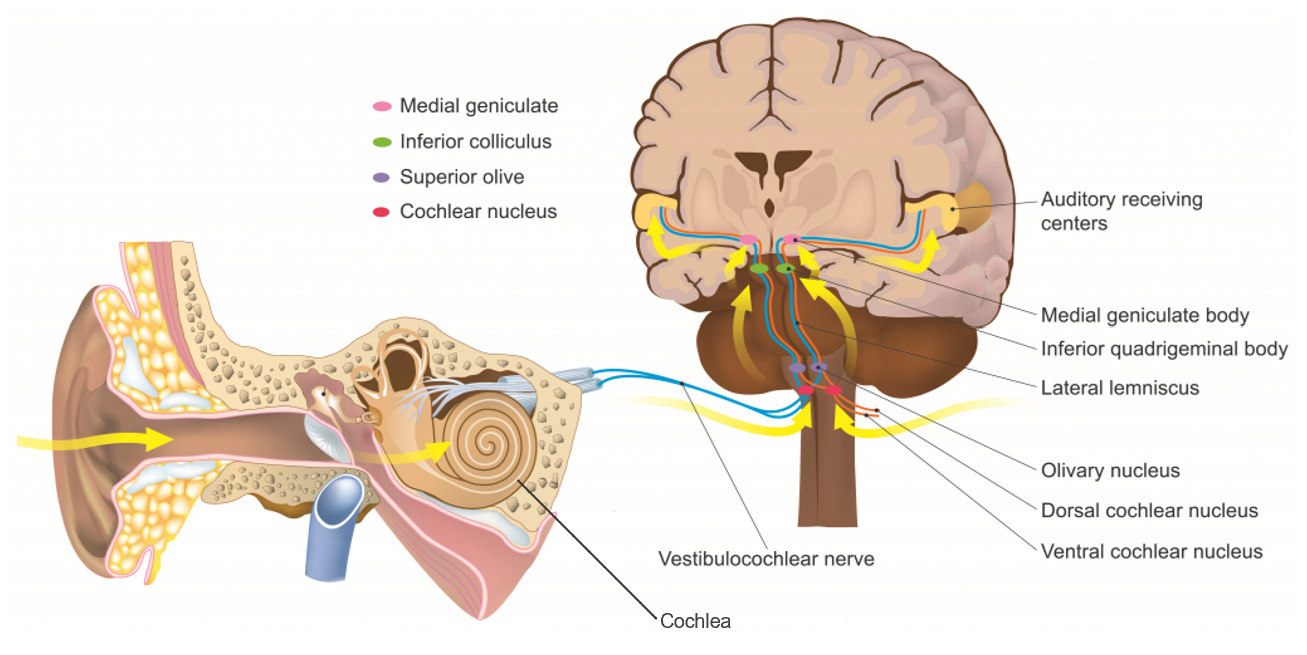
Phantom Sounds in the Pandemic
Do you ever hear a sudden ringing in your ears that no one else does? You are not alone. In fact, roughly 10% of American adults experience this chronic condition called tinnitus (National Institute on Deafness and Other Communication Disorders (NIDCD), 2017). Tinnitus is often distressing as it disrupts focus and relaxation. To make matters…