Author: Veronica Peroni Santos
-
A Glass of Wine a Day Keeps the Atherosclerosis Away?
The idea that wine is good for the heart sounds too good to be true, and scientifically, it might be. As of 2022, cardiovascular disease was the second leading cause of death in Canada, just after cancer (Public Health Agency of Canada 2017). The build-up of plaque inside arteries, or atherosclerosis, is a main underlying…
-
Smogging Up the Mind
What if the haze clouding your thoughts was not just metaphorical, but a literal consequence of air pollution? Pollution and climate change have been prevalent issues in recent years, casting a shadow over health and well-being. Epidemiological research has indicated neurological effects on the central nervous system (CNS) from ambient air pollution (Xu, Ha, and…
-
Tuning Into the Language of Music
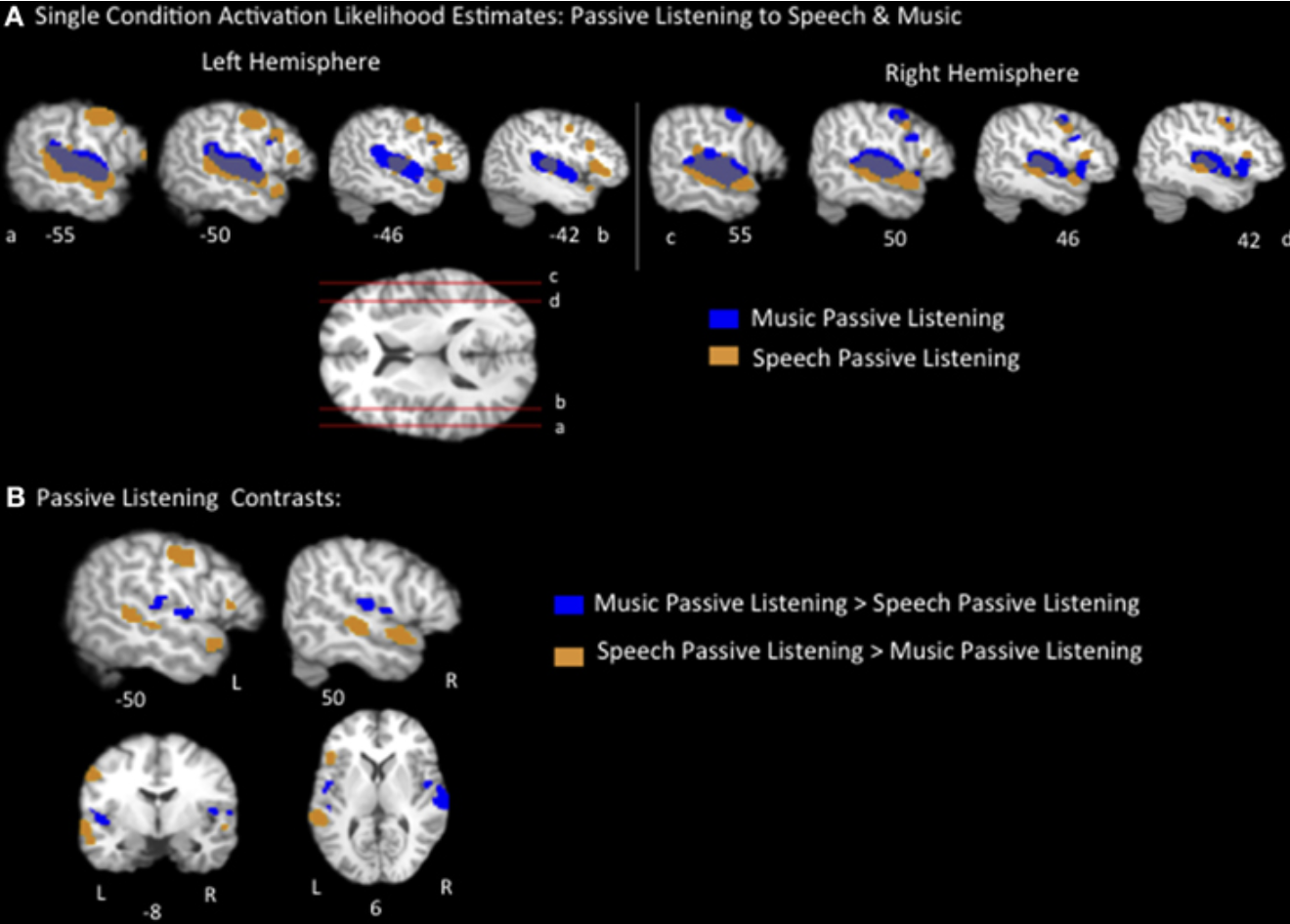
Language is a uniquely human invention that allows us to communicate and differentiates us from any other species. It is a hierarchical system, with smaller units making up larger parts (Pino et al. 2023). This is analogous to another human system: music. Although they are often considered separate systems, they share substantial overlap, so much…
-
Navigating Pollution with a Grain of Salt
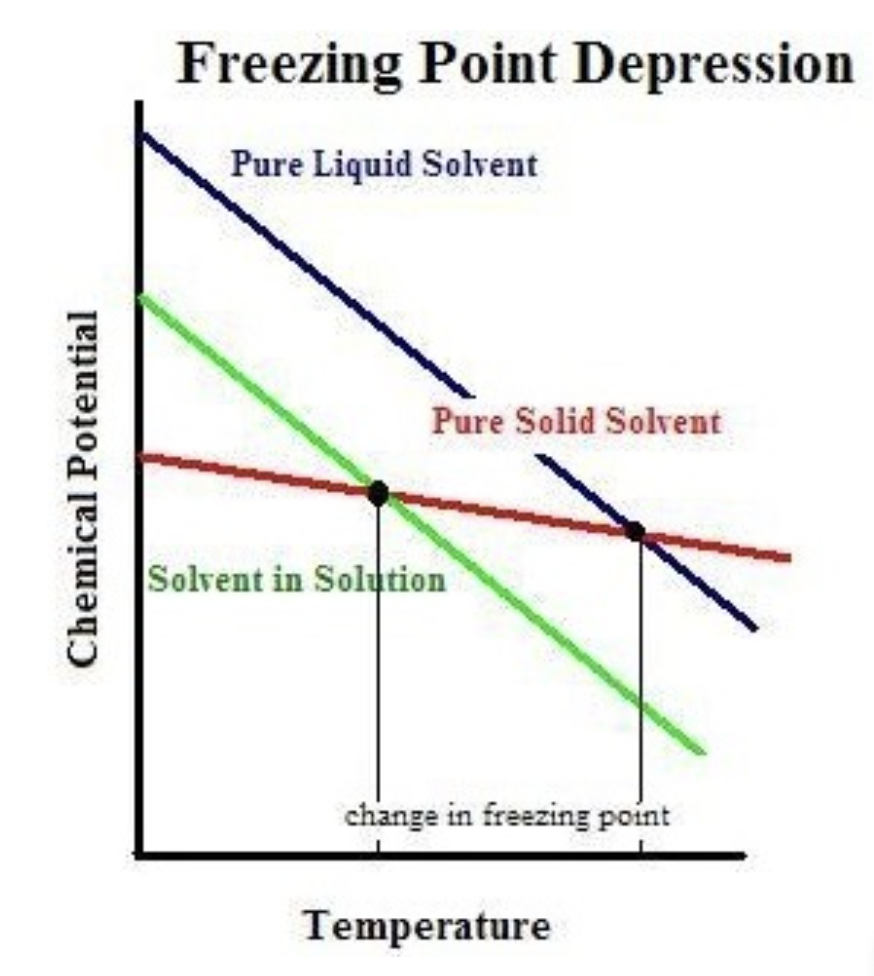
Table salt, or sodium chloride, is a mineral which is extensively used not only as a culinary seasoning, but also as a preservative, in road safety, and for numerous industrial purposes. It can be obtained through mining and from the evaporation of brines and seawater (National Center for Biotechnology Information, 2024). It may also be…
-
The Worst Disease You’ve Never Heard Of
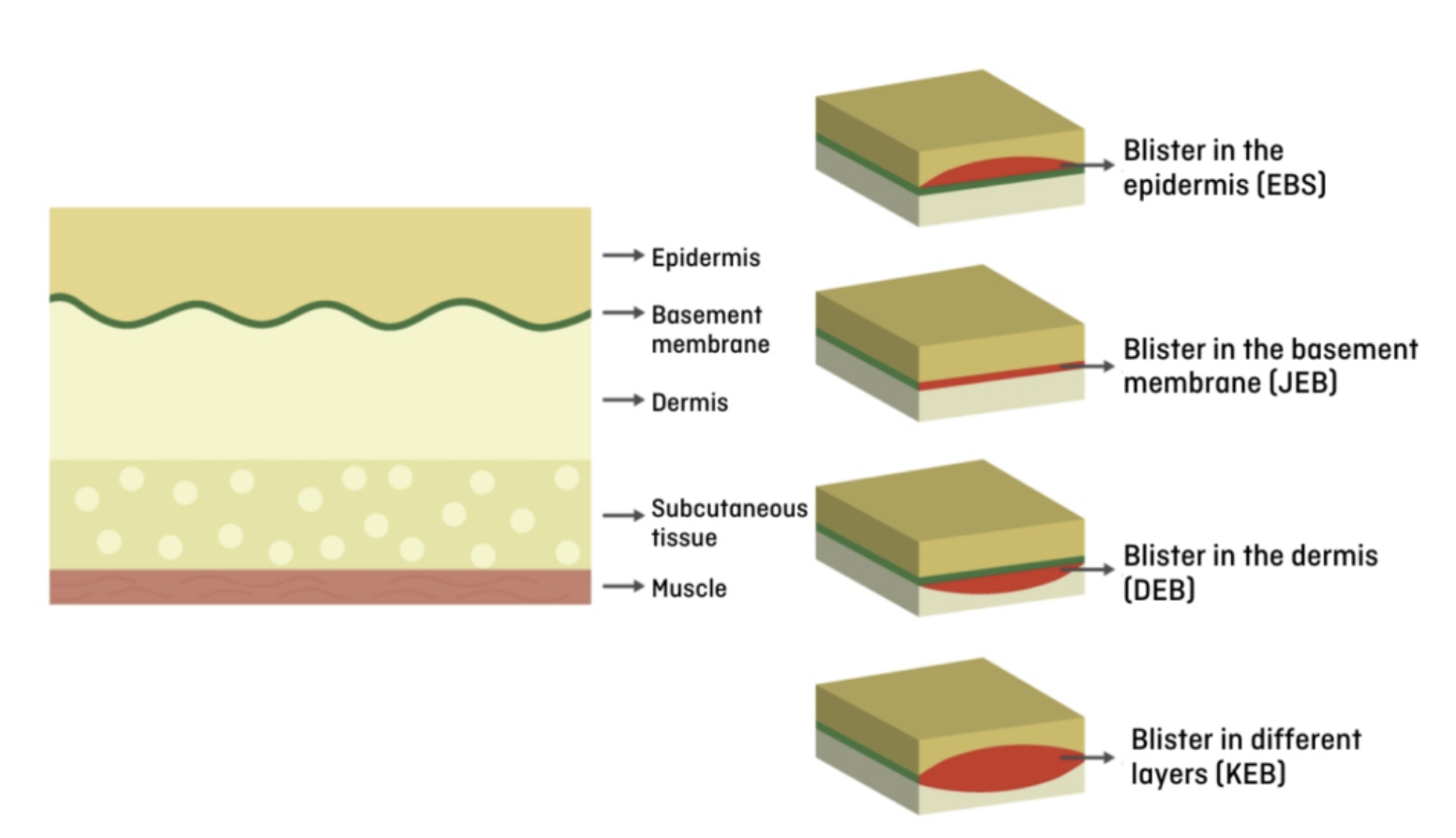
Epidermolysis Bullosa (EB), is a rare genetic skin condition that renders the skin fragile and prone to blistering upon even mild agitation (National Institute of Health (NIH), 2023). EB affects external and internal epithelial cells (NIH, 2023). Blisters associated with EB can be equivalent to third-degree burns. It is often said that individuals with EB…
-

Fel d1: The Feline Allergen That Purr-sists
In a world where whiskers and purrs captivate the heart, cat allergies hide in the shadows, eager to pounce. Approximately 10–30% of the population is sensitive to cat dander, saliva, and urine, with sneezing, coughing, and itchiness being common symptoms. The primary allergen produced by cats is a globular protein called Fel d1 (Bonnet, et…