Category: public posts
The select public posts from syn·op·sis, written and reviewed by iSci students at McMaster University. Each post is interdisciplinary in nature, and a wide variety of subject matter is covered. So sit back, relax, and start learning.
-
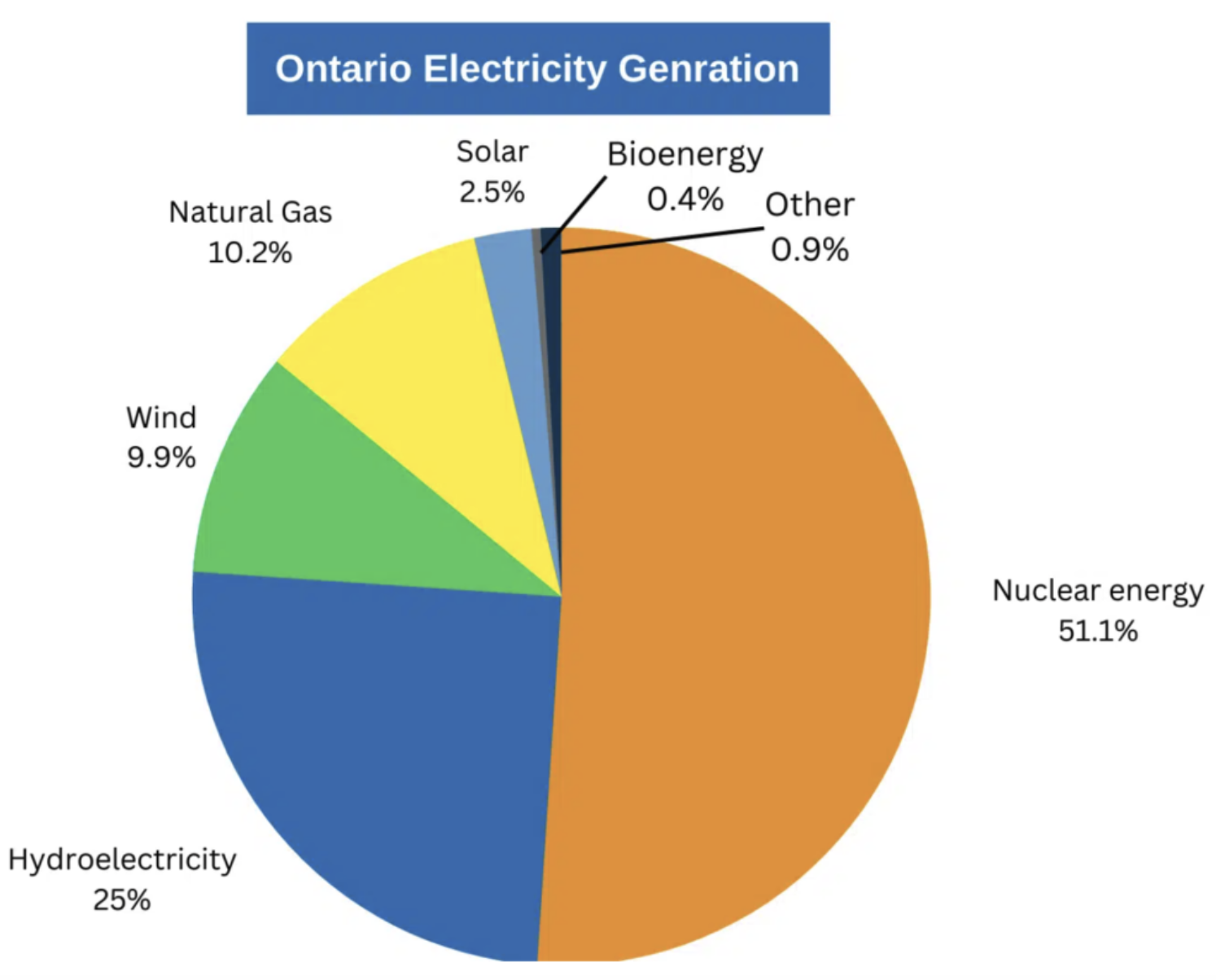
Electric Cars Are Fantastic! But not Perfect.
A decade ago, spotting an electric car on the roads would be a rare sight, but electric cars are now seen much more frequently. This is reflected in the fact that there was a 60% increase in electric cars from 2021 to 2022, forming a grand total of 26 million electric cars on the road…
-
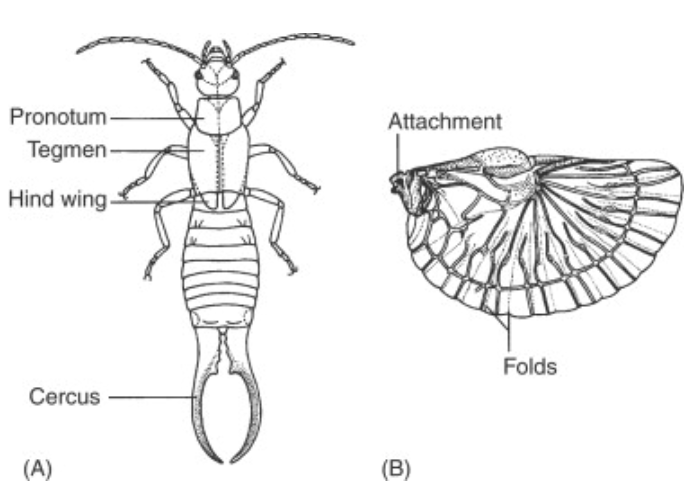
Earwigs: Beneficial Pest or Wine Making Stress?
When people think of the most terrifying creepy crawlies, earwigs may come to mind. Their name comes from a Western myth that claims they crawl into people’s ears to lay eggs in the brain (Ren et al., 2019). In reality, these arthropods prefer to hide under rocks, foliage and in moist crevices, not in human…
-
Click-y LEGO® Chemistry!
When it comes to the natural world, humanity has extreme difficulty imitating organic processes. From spider silk to bird flight, natural processes, while understood, can be near impossible to produce with human technology. The generation of organic molecules remained such a struggle, up until the foundational development of bioorthogonal click chemistry: a class of simple,…
-

From Comic to Crime: The Deadliest Supervillain
Beyond a supervillain in a DC comic, Toxicodendron radicans (Gillis, 1971), better known as poison ivy, acts as the infamous culprit behind many hives, redness, and rashes. Commonly found along heavily wooded forests and wetlands, this distinguishable plant is considered “early successional” which means it prospers in areas with activity and thrives in disturbance opposed…
-
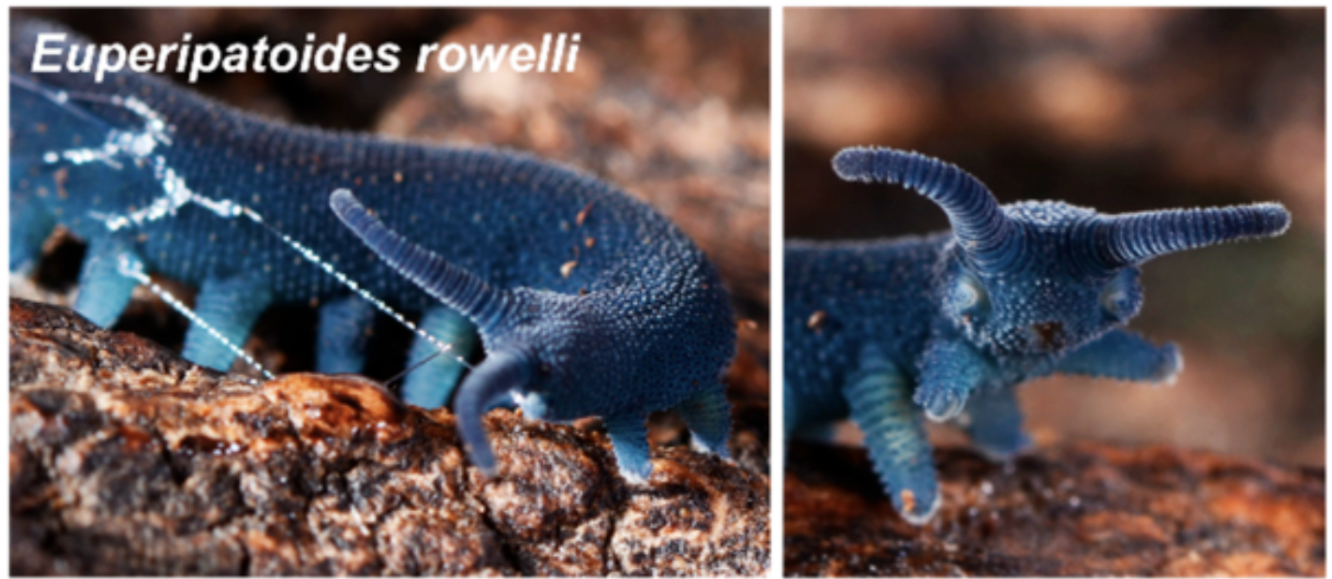
Velvet Worm Slime: The Future of Sustainable Materials
Onychophora (velvet worms) are carnivorous invertebrates that possess a unique weapon. Through their specialized appendages, they excrete a sticky, hardening slime to prey on other invertebrates and to defend themselves from predators (Baer and Mayer, 2012). Due to its remarkable properties, the slime has great potential in designing sustainable plastics and glues (Poulhazan, et al.,…
-
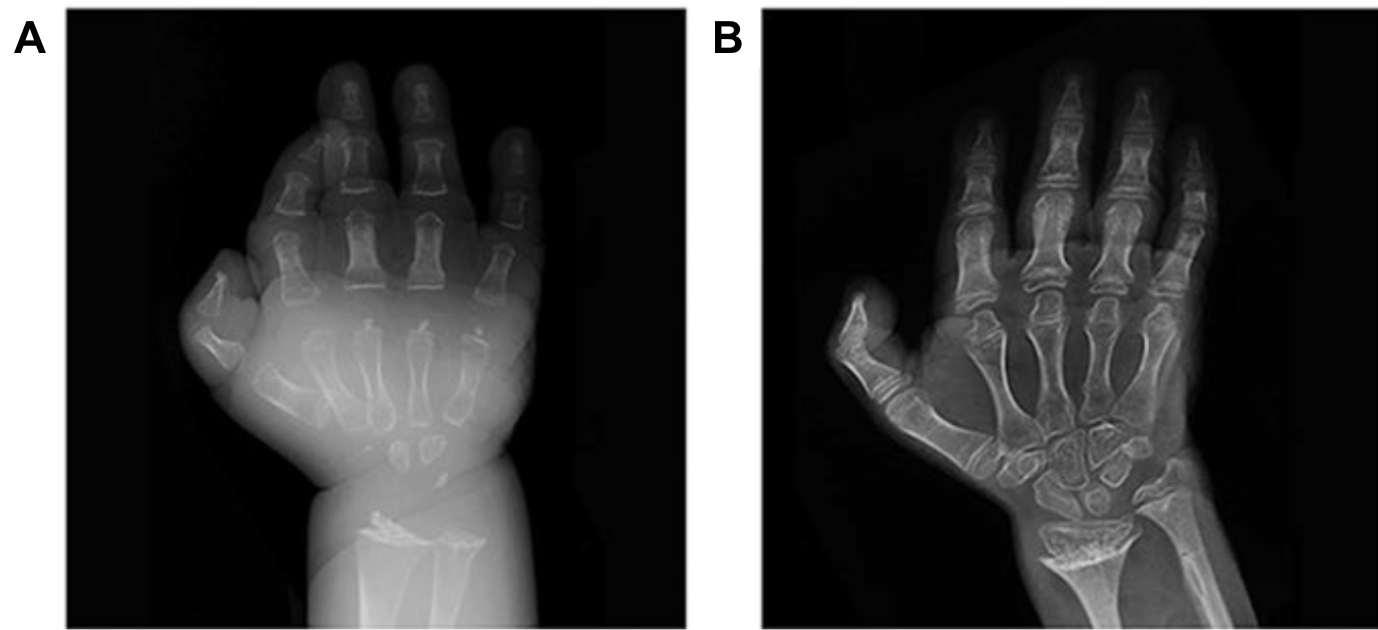
Misdiagnosis of Physical Illnesses as Mental Disorders
Multiple studies conducted in the 1980s and 1990s concluded that up to 80% of patients who received psychiatric treatment were misdiagnosed (Klonoff & Landrine, 1997). Diagnostic shadowing is the attribution of a person’s symptoms to a psychiatric illness without testing for the potential existence of underlying physical disorders (Happell, et al., 2016). Frequent diagnostic errors…
-

Manufactured Diamonds and the Road to Scientific Discovery
Throughout history until the present day, diamonds have been a symbol of worth and value. Whenever one thinks of a diamond, highly priced jewelry is the forefront thought. However, the emergence of the lab-grown version established a wider range of benefits to humans and even to the evolution of science. The first synthetic diamond was…
-
Make-Take-Waste
The United Nations, along with 70 other countries, has adopted a net zero carbon emissions commitment which is expected to reduce global greenhouse gas emissions (GGHGE) by 76% (United Nations, 2022). Simultaneously, one of the largest sectors contributing to GGHGE, the apparel industry, is experiencing an unprecedented rise in popularity, bringing its expected global revenue…
-
The Lead Issue
As the world has gained more insight into the disastrous effects lead can have on the human body, a large push has been made towards water quality testing. Perhaps most importantly, its links to causing neurological impairments have shed light on the importance of ensuring the availability of safe drinking water for all. Although it…
-
Something that Resonated With Me
Have you ever wondered why larger musical instruments, like cellos, have a lower pitch than smaller instruments, like violins? This size-pitch relationship is caused by resonance, which refers to an object’s ability to oscillate with larger amplitudes at certain frequencies (National Science Foundation, 2023). Each object has its own resonant frequency: the frequency at which…