Tag: Biochemistry
-
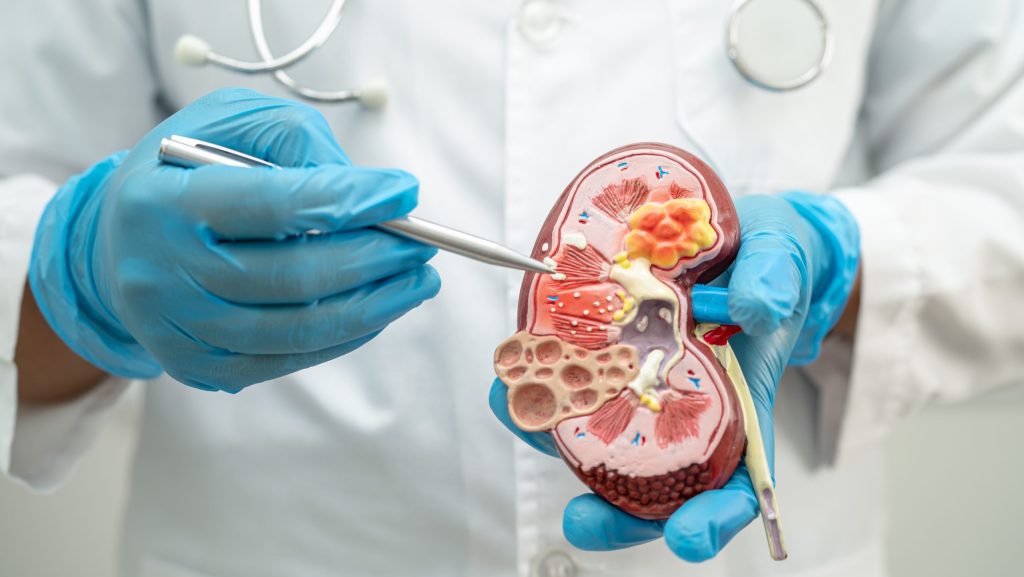
The Phosphorous Trap: How Bioavailability and Food Additives Impact Chronic Kidney Disease
High phosphorus levels in patients with chronic kidney disease (CKD) have been directly related to increased mortality rates (Figure 1)(Noori et al. 2010). In CKD patients experiencing progressive loss of kidney function, a phosphorus-restricted diet is often a management method for hyperphosphatemia. In this condition, net intestinal absorption exceeds renal excretion and/or dialysis removal of…
-

How Pregnancy Tests Led to the Decimation of Frog Populations
With readily available pregnancy tests stocked across drugstore shelves, it is hard to imagine a time when determining pregnancy was not so simple a task. Instead of the easy-to-use plastic cartridge we commonly imagine, the earliest reliable pregnancy tests utilised Xenopus laevis, also known as the African clawed frog (Nuwer, 2013). This method for identifying…
-

Homeostatic Impacts of PTSD at the Cellular Level
Post-traumatic stress disorder (PTSD) can develop after a traumatic event, with its impacts originating at the subcellular level (Girgenti, et al., 2017; Yehuda and Seckl, 2011). The pathophysiology of PTSD at this scale is characterized by a disruption of glucocorticoid (GC) hormone signaling which has implications on other cellular processes related to stress regulation. Cortisol,…
-

Fel d1: The Feline Allergen That Purr-sists
In a world where whiskers and purrs captivate the heart, cat allergies hide in the shadows, eager to pounce. Approximately 10–30% of the population is sensitive to cat dander, saliva, and urine, with sneezing, coughing, and itchiness being common symptoms. The primary allergen produced by cats is a globular protein called Fel d1 (Bonnet, et…
-
Techniques of 3D bioprinting for organ production
The applications of three-dimensional printing are endless. From prototyping to specialized manufacturing, 3D printing allows users to develop unique creations for specific purposes, without requiring skills in the manufacturing process (Shimizu et al., 2000). Its use is widespread through the manufacturing and technology industries, and shows great promise in other fields as well, including healthcare. One of the…
-
The Cure to Cancer could be Skin Deep
Our society has a fixation with the youth. Everywhere we look, there are emerging new products to overcome the aging process. Interestingly enough, a vast majority of these products employ the use of retinoid compounds, and a deeper understanding of retinoid metabolism in cancer cells could potentially yield a new target for anticancer drugs.…