Category: public posts
The select public posts from syn·op·sis, written and reviewed by iSci students at McMaster University. Each post is interdisciplinary in nature, and a wide variety of subject matter is covered. So sit back, relax, and start learning.
-

Your Ears Are Whispering
Your eyes do not produce light, nor does your tongue have a flavour, but your ears do make sounds! In 1978, acoustician David Kemp inserted a miniature microphone into a human ear canal and, for the first time, recorded nearly inaudible sounds originating from the inner ear (Kemp, 1978). These sounds have since been called…
-
Birth Control – But for Whom?
In light of the changing political climate, specifically with the recent overturning of Roe v. Wade in the United States, the rate of birth control prescriptions is on the rise (Langmaid, 2022). The most common form of birth control remains oral contraceptives (OCs), with 75% of Canadian and 88% of American females taking OCs at…
-
Fostering Future Forest Regeneration
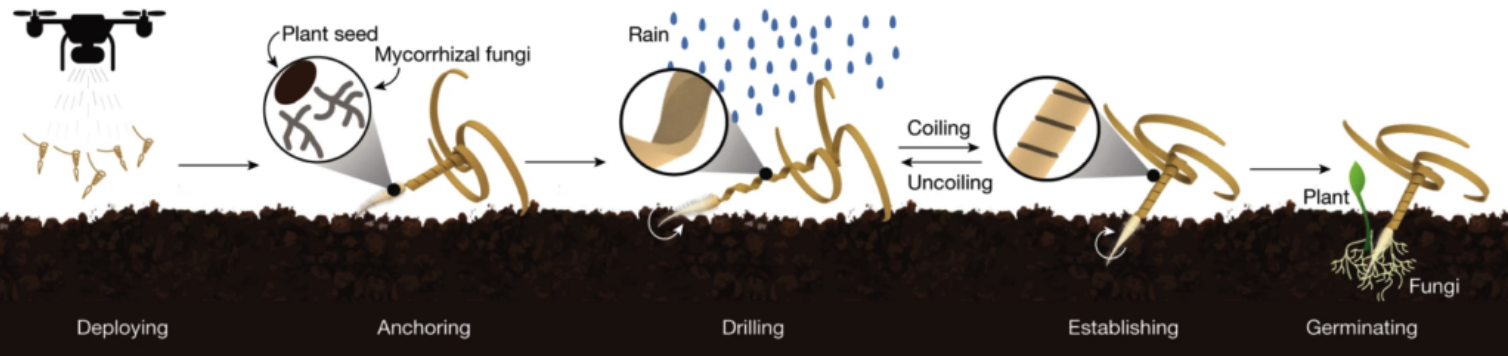
In 2021, the world lost over 25 million hectares of tree cover—roughly the size of the United Kingdom (Global Forest Watch, 2023). While forest loss due to urbanization and agriculture will likely never be replenished, there is some hope for the 14 million hectares lost to wildfires and forestry. Through tree planting, we can regenerate…
-
The Connection between IBD and Mental Health
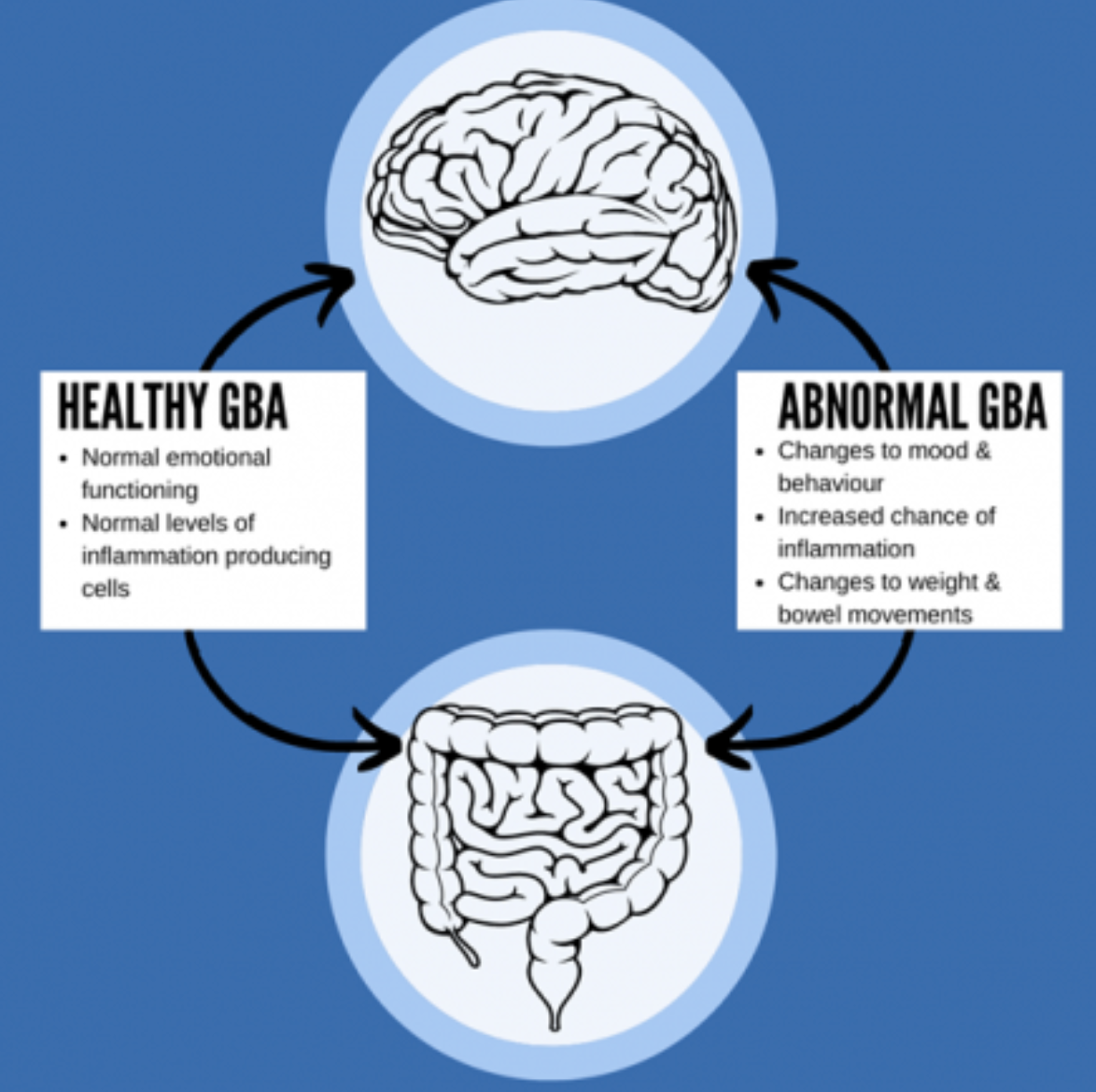
Chronic illness can be incredibly debilitating both mentally and physically and can really take a toll on an individual’s quality of life. Youth with inflammatory bowel disease (IBD) including ulcerative colitis and Crohn’s disease, deal with pain on a day to day basis (Szigethy, et al., 2017). Essentially, IBD causes inflammation in the digestive tract,…
-
Adaptive Biological Networks
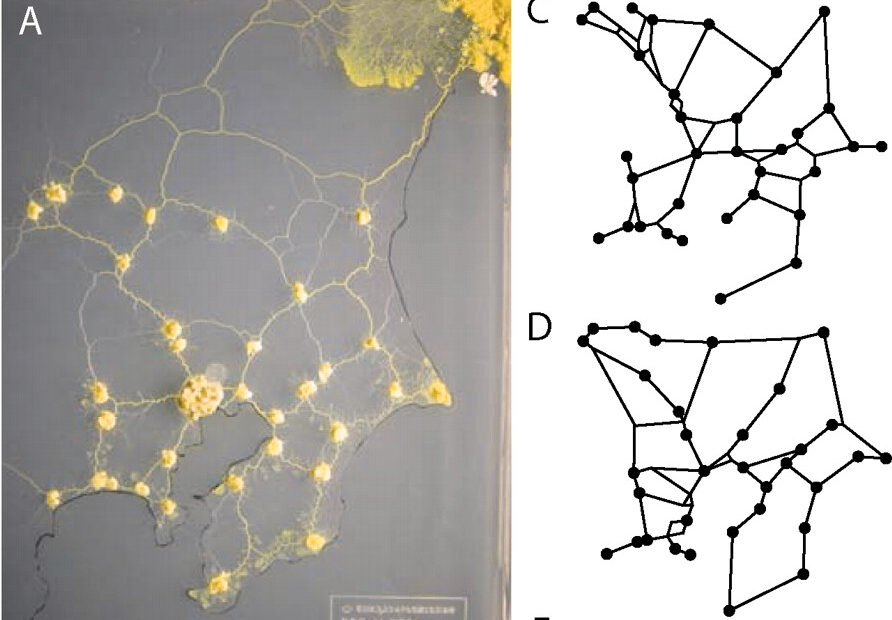
Transport networks are vital to the infrastructure of our current industrial society, enabling the efficient travel of resources, people, and data. In spite of their significance, the conception of these networks lacks a guiding methodology, with a majority being limited by the most pressing concerns at the time of their construction. Previously, the notion of…
-
Being Mindful of the Mindfulness Trend
Have you ever participated in any of the mindfulness or meditation trends? Using the new Calm app, going to meditation circles, or delving into the ‘self-help’ plans propagated by the media? Before you dive into the mindfulness meditation (MM) trends, you should ensure you’re aware of both their benefits and faults. MM trends have swept…
-
Animal vs. Plant Proteins: Which Is Better For Bones?
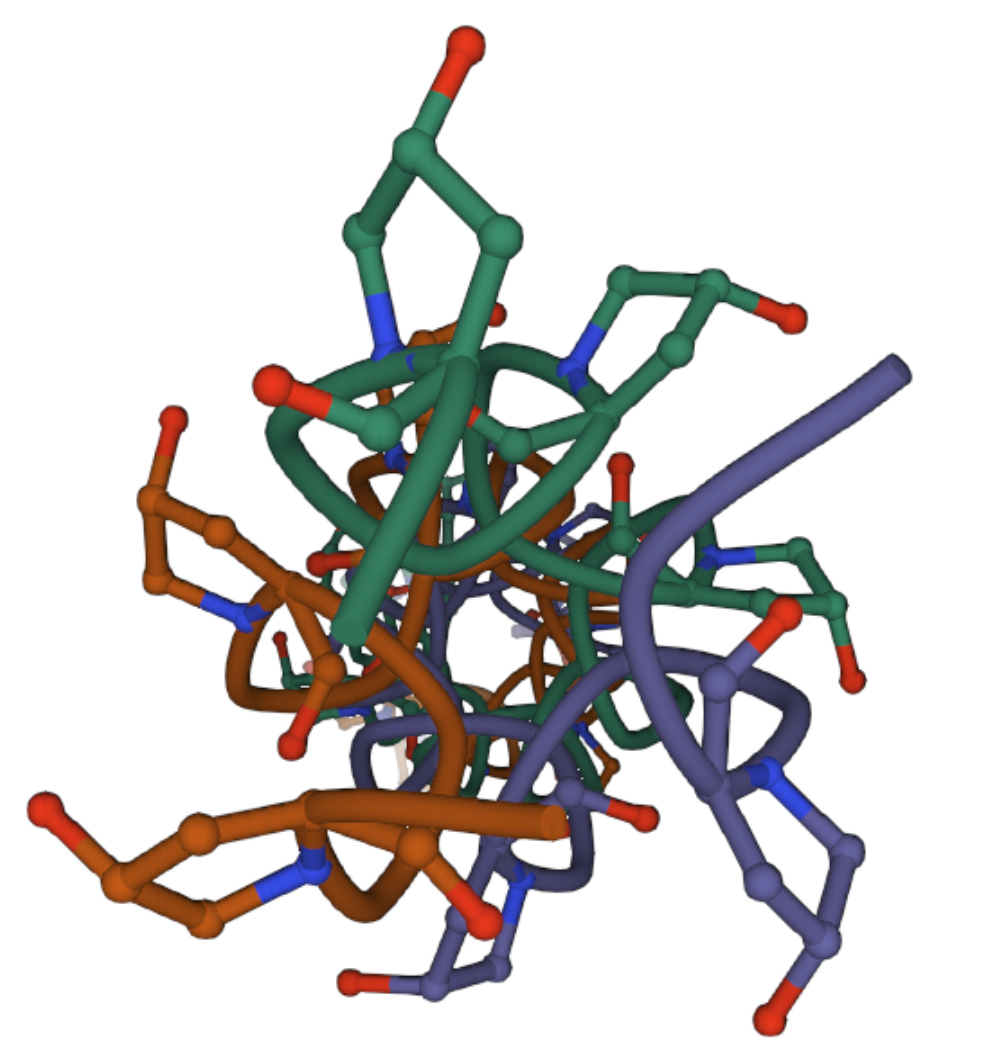
Which is better for the human diet: animal protein or plant protein? This is a highly debated topic given that diet plays a large role in human health, especially bone health. Some argue that animal-based proteins are detrimental to bone health and plant proteins should be consumed instead. Others believe that plant proteins are not…
-
Shining Light on the New Wave of Neurobiology
Since its inception in 2005, optogenetics has revolutionised neurobiology—researchers are now closer than ever to determining the functions, behaviours, and pathologies of individual neurons (Boyden, 2011). As this technology continues to develop, it underscores the intersectionality of optics and genetics and shapes scientific perception of neural dysfunction and mood disorders (Guru, et al., 2015). An…
-
Squirmy Brains
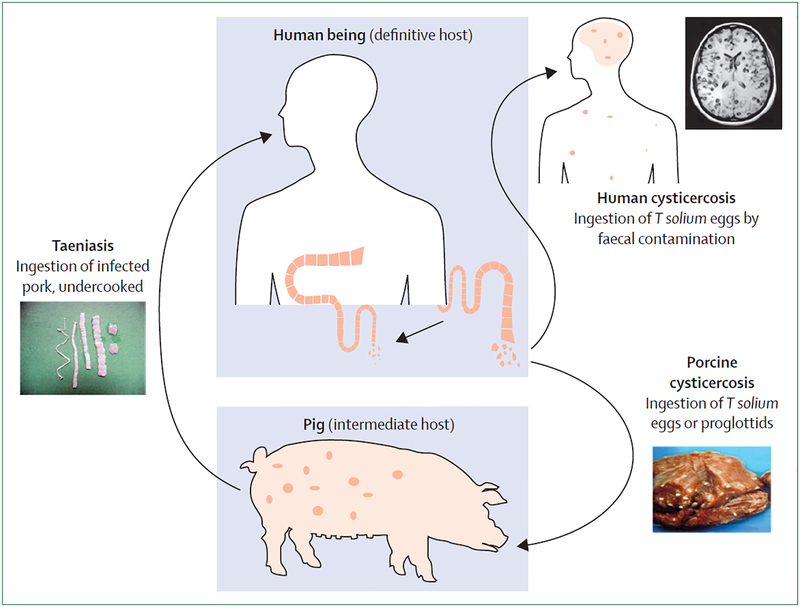
There are many layers within the skull that protect the brain from injuries, but is there an organism that can worm its way into the brain. Neurocysticercosis (NC) is caused by an infection of the larval cystic form of Taenia solium in the central nervous system (CNS) (Gripper and Welburn, 2017). It is one of…
-
Forget-me-not: The Legacy of Henry Molaison
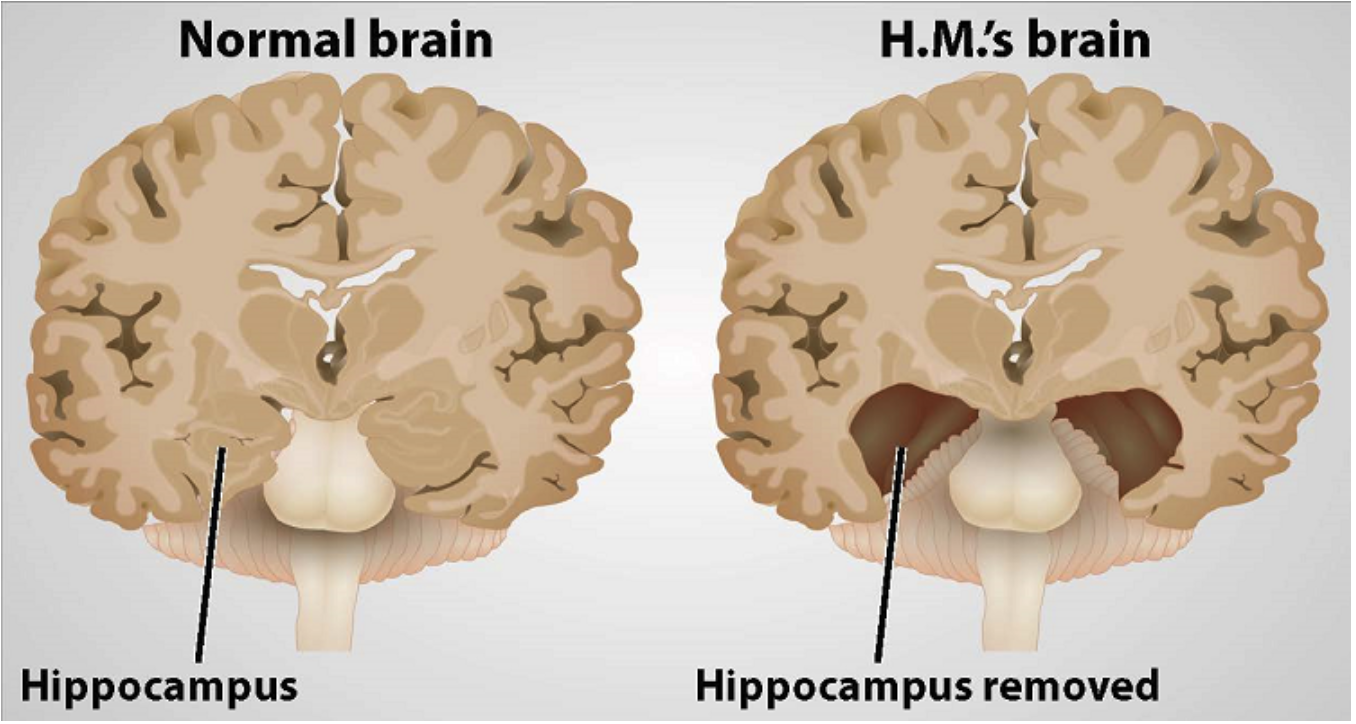
Memories form a core part of life, facilitating learning, maturation, and even survival. Now imagine not being able to form memories at all. Such was the case of Henry Gustav Molaison, a man who not only lost his memories, but his ability to form new ones. Molaison was not always an amnesiac. At age ten,…