Category: public posts
The select public posts from syn·op·sis, written and reviewed by iSci students at McMaster University. Each post is interdisciplinary in nature, and a wide variety of subject matter is covered. So sit back, relax, and start learning.
-
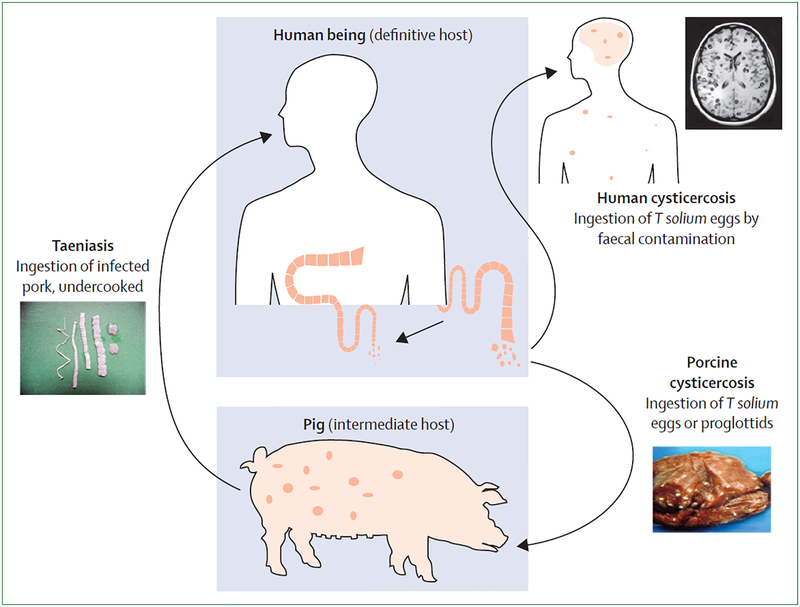
Squirmy Brains
There are many layers within the skull that protect the brain from injuries, but is there an organism that can worm its way into the brain. Neurocysticercosis (NC) is caused by an infection of the larval cystic form of Taenia solium in the central nervous system (CNS) (Gripper and Welburn, 2017). It is one of…
-
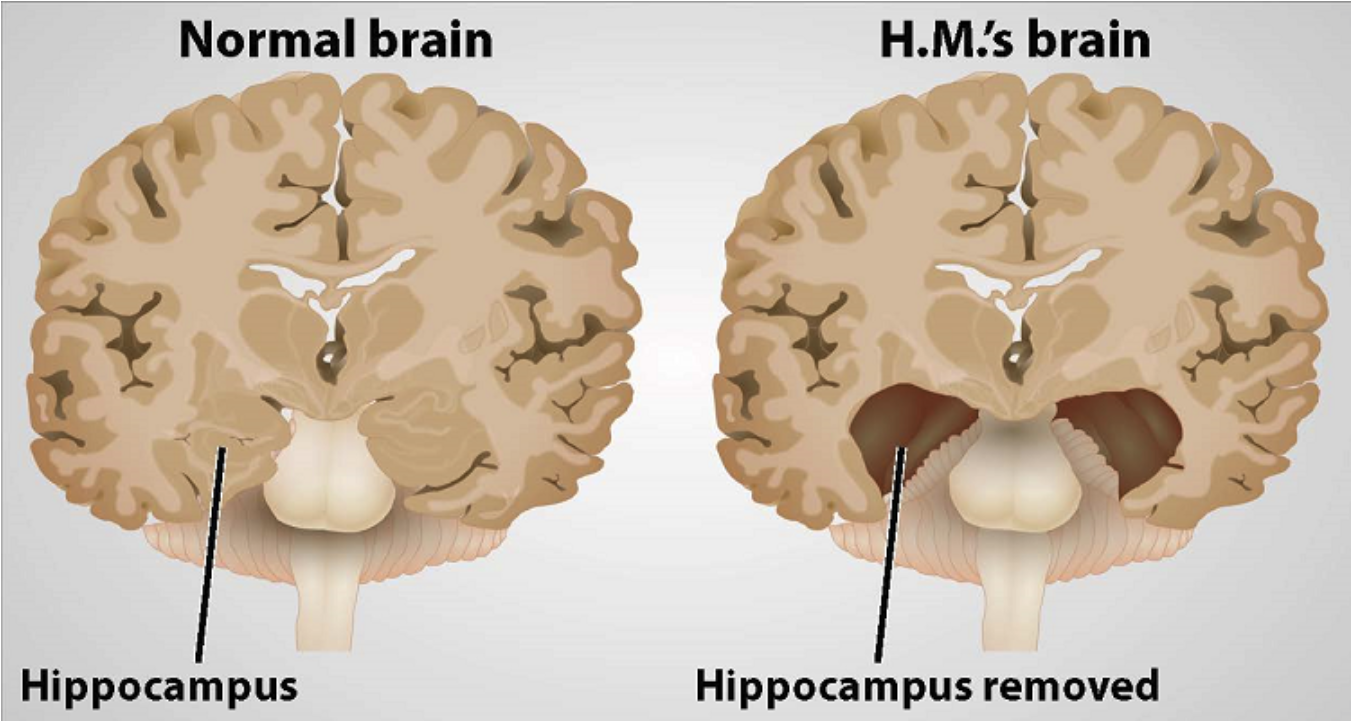
Forget-me-not: The Legacy of Henry Molaison
Memories form a core part of life, facilitating learning, maturation, and even survival. Now imagine not being able to form memories at all. Such was the case of Henry Gustav Molaison, a man who not only lost his memories, but his ability to form new ones. Molaison was not always an amnesiac. At age ten,…
-
The Microscopic Elephant in the Room
Life as humans know it is slowly but surely being altered by the crucial issue of climate change (Tiedje, et al., 2022). Greenhouse gases (GHGs) such as carbon dioxide (CO2), methane (CH4), and nitrous oxide (N2O), largely contribute to this problem and are in surplus due to altered biogeochemical cycles. These gases are produced and…
-
A New Hope to Beat Depression
Major depressive disorder, or clinical depression, is a mental condition that knows no bounds; it affects more than 300 million people spanning all races, ages, genders, and communities and its global burden is likely to increase with time (Somani and Kar, 2019). That said, numerous treatment modalities exist, but nearly 30% of clinically depressed patients…
-
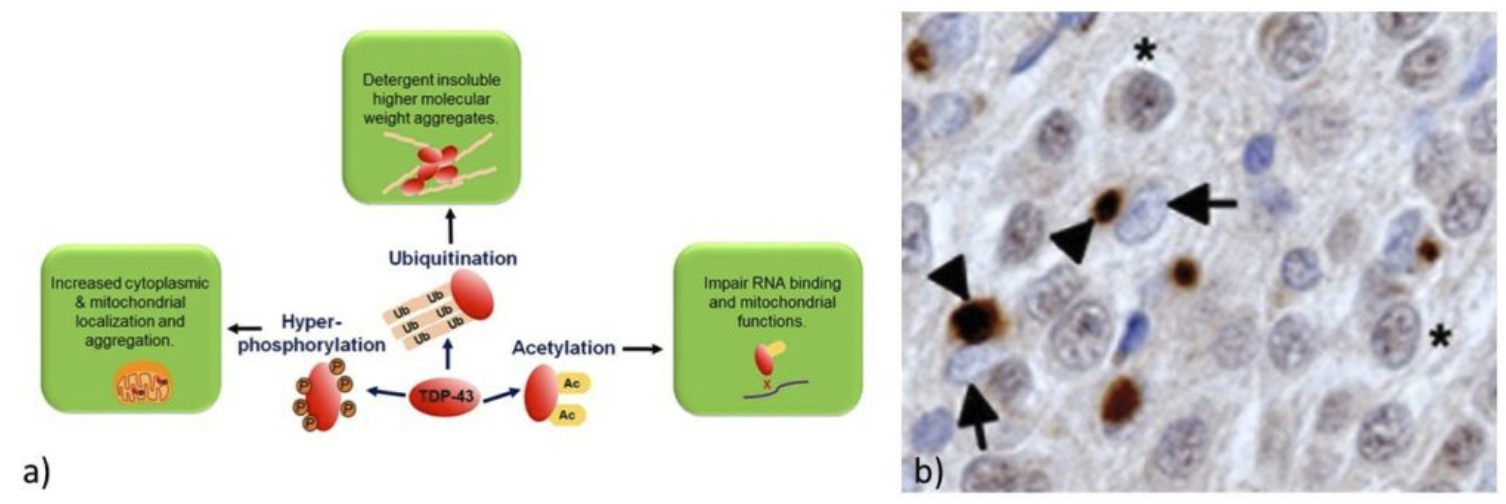
Challenging ALS: From Ice Buckets to Clinical Trials
Many of us would like to believe that “the Ice Bucket Challenge was the beginning of ending ALS” as phrased by Pat Quinn, one of the Ice Bucket Challenge founders (Sohn, 2017). In 2014, the Ice Bucket Challenge raised global awareness and millions of dollars for research on the neurodegenerative disease, amyotrophic lateral sclerosis (ALS).…
-
The Unsettling Concussion Crisis in American Football
American football is one of the most popular yet violent sports in the world; each season, players accrue injuries ranging from common sprains to career-threatening spinal fractures (Saal, 1991). In the United States, football continues to account for the highest proportion of concussions, a trauma now emerging as a significant health risk to long-term cognition,…
-
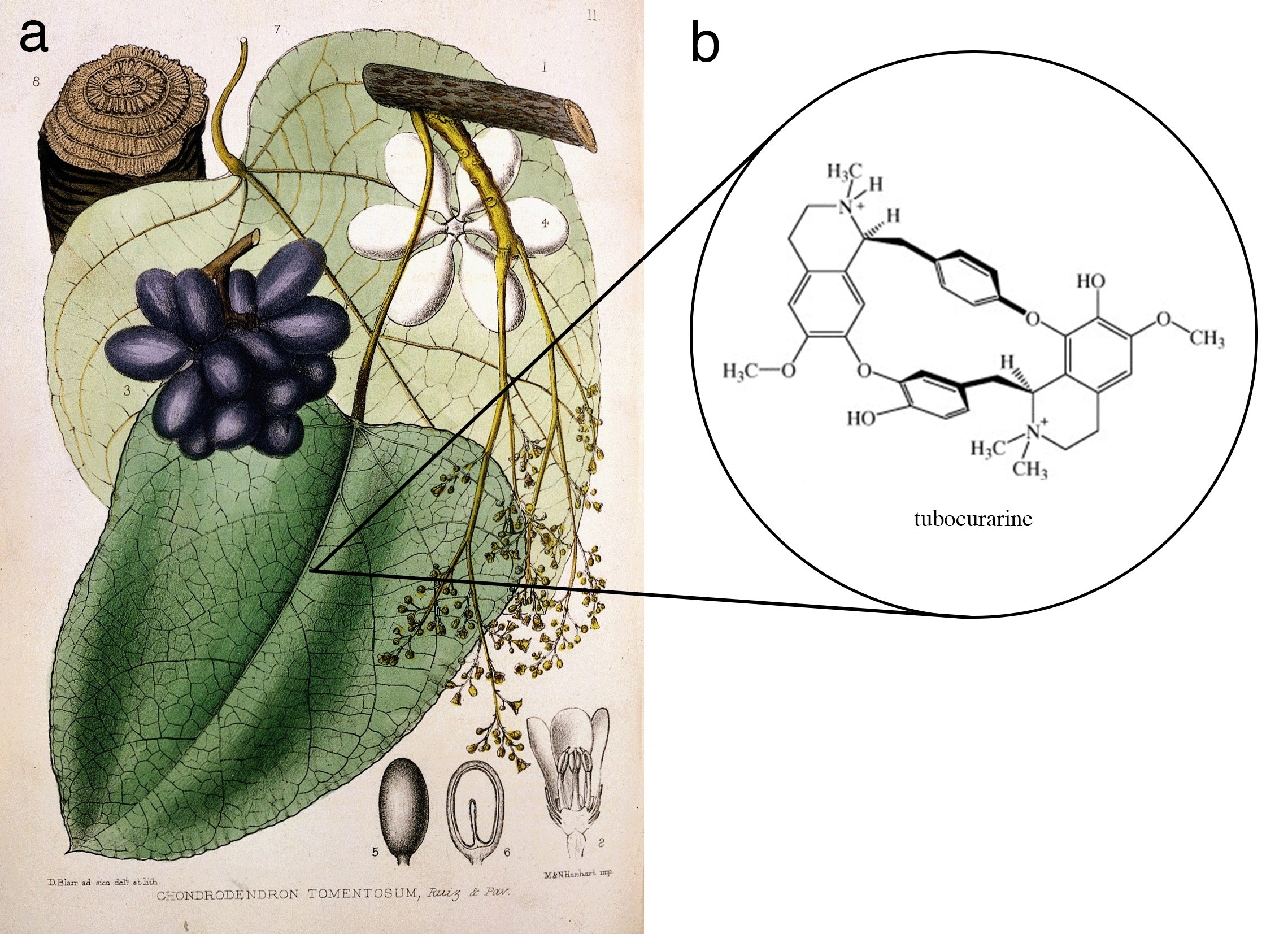
Curare: the False Anaesthetic
The introduction of plant medicines from Indigenous cultures into the West by ethnobotanists drives the development of novel medical and research tools (Heinrich and Gibbons, 2001). This was the case in the 18th and 19th century when explorers and pharmacologists set out to understand curare, an arrow poison used by Amazonian tribes in regions of…
-
Antivirals from yours truly: Another virus
Viruses have taken the spotlight in recent years, no matter how much we want them gone. We normally think of these agents as something dangerous and harmful, which is not always true. There are many many viruses that have benefitted humanity, such as ancient retroviral DNA integrated into our genome that helps us get rid…
-

Our Tadpole Origins
Have you ever rummaged through a memory box and stumbled upon some kindergarten self-portraits? Your earliest depictions of the human form were probably peculiar, and by no means anatomically accurate. When most children begin drawing humans, their sketches consist of a round head and a pair of lines representing legs, but interestingly, the torso is…
-
Impact of Climate Change on Grapevine Genetics and Wine
It is no surprise that our changing climate does not only affect humans. Plants are also greatly impacted by environmental fluctuations, especially grapevines. Viticulture is the farming of grapevines used in winemaking and this agricultural system is recognized as an indicator of climate change due to its climate sensitivity; the lifecycle of grapevines, is so…