Tag: Medicine
-
Can electricity read your mind?: Electrodermal Activity
No matter how great your poker face might be, your skin can’t keep a secret. A window into the human mind through physiology exists beyond crystal balls, witches, or horrific psychological control. The very electricity that we associate with changing brain activity in horror movies can serve as a hidden gateway into your mind. Electrodermal activity…
-
Too Hot to Handle: Can Heat Change How Your Medication Works?
“Take once daily” assumes a lot in just three words. Prescription labels tell us when to take a medication, whether to take it with food, and what substances to avoid, but rarely anything about the temperature outside. That omission looked less trivial during British Columbia’s 2021 heat dome, when hundreds of people died from heat-related…
-
The Phosphorous Trap: How Bioavailability and Food Additives Impact Chronic Kidney Disease
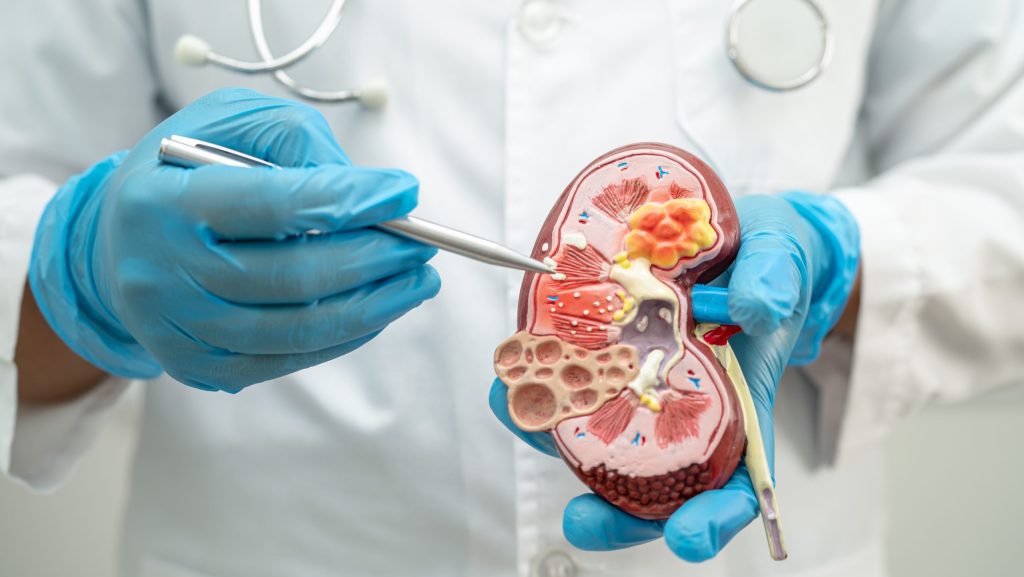
High phosphorus levels in patients with chronic kidney disease (CKD) have been directly related to increased mortality rates (Figure 1)(Noori et al. 2010). In CKD patients experiencing progressive loss of kidney function, a phosphorus-restricted diet is often a management method for hyperphosphatemia. In this condition, net intestinal absorption exceeds renal excretion and/or dialysis removal of…
-
The Pain of a Feather: Allodynia
Imagine living a life where sensations as ordinary as the gentle touch of a loved one, a cold breeze or simply the feeling of clothes on your skin evokes pain. This is the reality for individuals with allodynia, a phenomenon which causes non-painful stimuli on the skin, to be perceived as pain. This phenomenon is…
-

Skin Pigmentation Bias in Pulse Oximetry Measurements
Pulse oximeters have revolutionized modern medicine, enabling continuous, accurate, and non-invasive monitoring of functional oxygen saturation of hemoglobin (SpO₂) (Chan et al. 2013). Taken as a fifth vital sign, the device’s use is routine in emergency care, general ward, intermediate/intensive care unit, the operating room, and in general practices (Bosch et al. 2024). However, with…
-

The Emergence of Allergic Diseases in Immigrants: A Probiotic Solution
First-generation immigrants face numerous challenges when adapting to new cultures: language barriers, discrimination, invalid credential recognition, and growing mental health concerns. While some of these challenges may be temporary, a long-term issue that remains unresolved within the immigrant population is the growing prevalence of allergic diseases (Lombardi, Passalaqua, and Walter Canonica 2009). Surprisingly, a potential…
-

How Pregnancy Tests Led to the Decimation of Frog Populations
With readily available pregnancy tests stocked across drugstore shelves, it is hard to imagine a time when determining pregnancy was not so simple a task. Instead of the easy-to-use plastic cartridge we commonly imagine, the earliest reliable pregnancy tests utilised Xenopus laevis, also known as the African clawed frog (Nuwer, 2013). This method for identifying…
-
Click-y LEGO® Chemistry!
When it comes to the natural world, humanity has extreme difficulty imitating organic processes. From spider silk to bird flight, natural processes, while understood, can be near impossible to produce with human technology. The generation of organic molecules remained such a struggle, up until the foundational development of bioorthogonal click chemistry: a class of simple,…
-
Misdiagnosis of Physical Illnesses as Mental Disorders
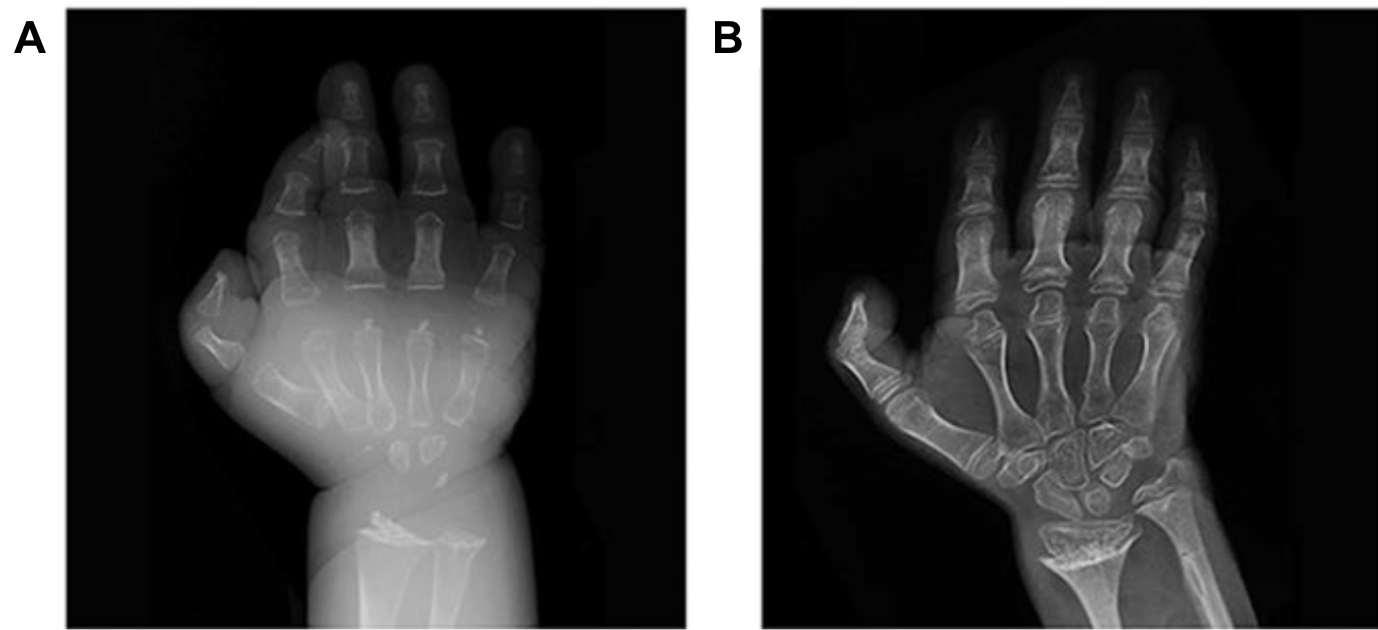
Multiple studies conducted in the 1980s and 1990s concluded that up to 80% of patients who received psychiatric treatment were misdiagnosed (Klonoff & Landrine, 1997). Diagnostic shadowing is the attribution of a person’s symptoms to a psychiatric illness without testing for the potential existence of underlying physical disorders (Happell, et al., 2016). Frequent diagnostic errors…
-

It Was an Accident, I Swear! The Scientific Discovery of Conductive Polymers
Some of the most revolutionary scientific discoveries have occurred accidentally; luck is sometimes the most important factor leading to new discoveries (Donald, 2013). Conductive polymers were an accidental finding by scientists Shirakawa, MacDiarmid and Heeger in 1977 (Guo and Facchetti, 2020). These organic polymers were found to have high conductive properties typically associated with metals.…