Tag: Neuroscience
-
Can electricity read your mind?: Electrodermal Activity
No matter how great your poker face might be, your skin can’t keep a secret. A window into the human mind through physiology exists beyond crystal balls, witches, or horrific psychological control. The very electricity that we associate with changing brain activity in horror movies can serve as a hidden gateway into your mind. Electrodermal activity…
-
What We See, What We Believe: Experiencing Climate Change
“Seeing is believing.” It is one of those phrases that feels almost too obvious to question. If a glass falls off a table, we do not need someone to explain that gravity exists. If we step outside and feel freezing rain, we know the weather is cold. Much of what we understand about the physical…
-
Why Cathedrals Make You Believe in God: How Acoustics Relate to Neurological Reward Circuitry
Sound surrounds us constantly, and hearing is regarded as one of our most valuable senses (Enoch et al. 2019). But have you ever been in a building where sound seemed to wash over you? Cathedrals are famous for this effect: their high ceilings and stone surfaces cause sound to reflect and linger, causing long reverberations…
-
Binaural Beats: The Beats That Beat Cognitive Overload
“It’s always that damn phone.” These devices, alongside many others, have become our most prized companions while simultaneously being major sources of anxiety, stress, and an endless overload of distractions. Ironically, a developing remedy to these issues, present in the problem itself, is an unconventional digital drug called binaural beats. Accessible through a simple pair…
-
The Pain of a Feather: Allodynia
Imagine living a life where sensations as ordinary as the gentle touch of a loved one, a cold breeze or simply the feeling of clothes on your skin evokes pain. This is the reality for individuals with allodynia, a phenomenon which causes non-painful stimuli on the skin, to be perceived as pain. This phenomenon is…
-
Love: A Social Construct or Just Science?
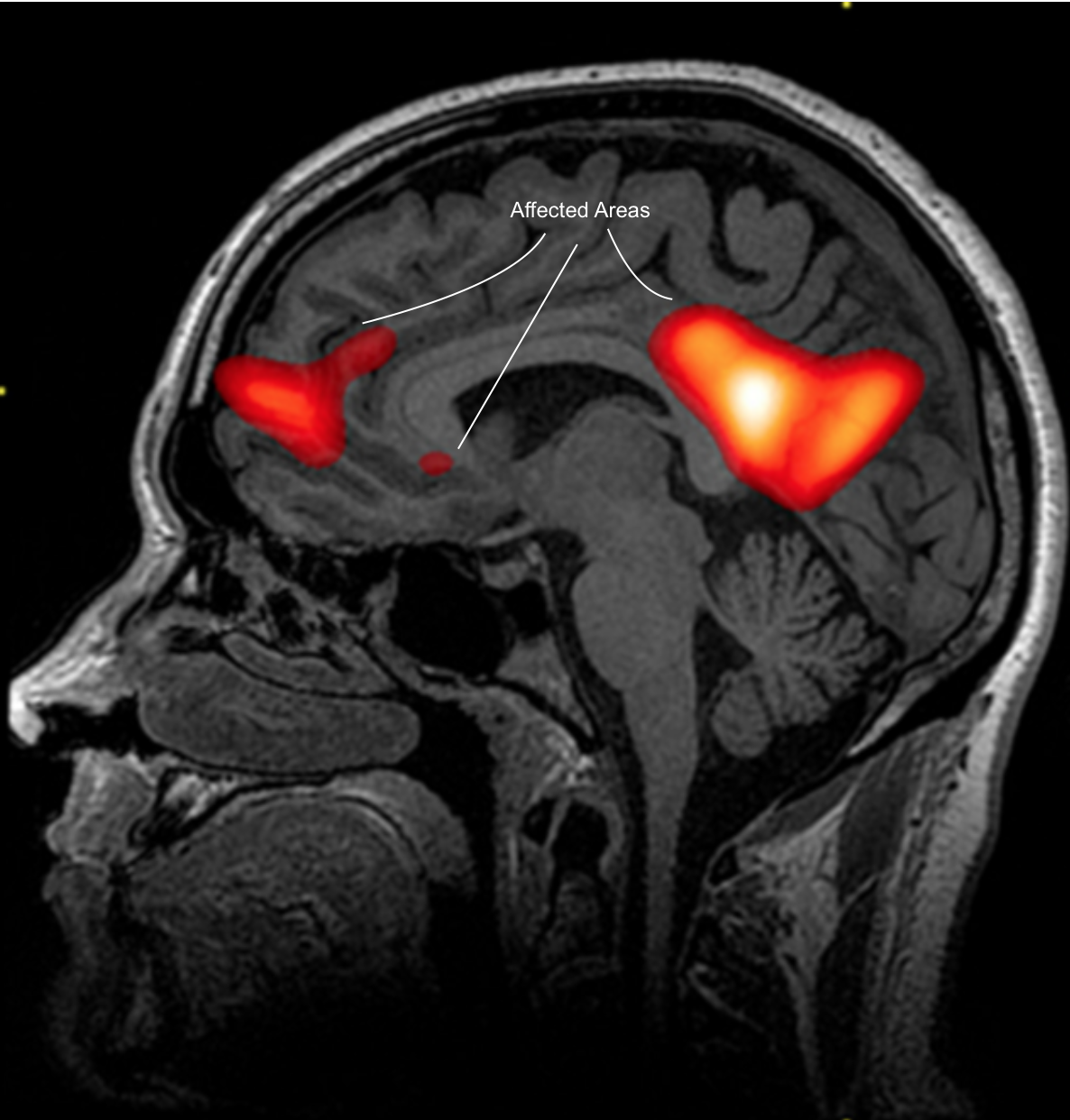
Despite the ridicule behind Love is Blind and The Bachelorette, the complex bridge that connects the realm of human emotions with the scientific understanding of our bodies does exist, in the form of love. From a scientific perspective, the early stages of falling in love behave similarly to the consumption of cocaine, with both processes triggering…
-

Human Evolution – a Psychedelic Trip
When did humans branch off from our humanoid common ancestors and evolve into the distinct species we are today? Why and how did humans develop differently from our ape and chimpanzee relatives (Choi and LiveScience, 2023)? The Stoned Ape hypothesis believes that humans developed our complex cognitive abilities from a diet consisting of psychedelic mushrooms…
-
Understanding Psychosis and Exploring Alternative Therapies
Psychosis is a symptom associated with a range of mental illnesses, such as schizophrenia, bipolar disorder, and depression. It has the tendency to alter an individual’s state of mind, and thus, distort their perception of reality (Kesby, et al., 2018). This may lead to the onset of positive symptoms. These are a subset of symptoms…
-
The Lead Issue
As the world has gained more insight into the disastrous effects lead can have on the human body, a large push has been made towards water quality testing. Perhaps most importantly, its links to causing neurological impairments have shed light on the importance of ensuring the availability of safe drinking water for all. Although it…