Category: public posts
The select public posts from syn·op·sis, written and reviewed by iSci students at McMaster University. Each post is interdisciplinary in nature, and a wide variety of subject matter is covered. So sit back, relax, and start learning.
-
Crimes Against Humanity: The Uyghur Genocide
Genocide is not history, it is still happening today. The Uyghur Muslims in Xinjiang China are subjected to forced sterilizations, surveillance in re-education camps, and sexual abuse (The Associated Press 2020; Maizland 2022). While science perturbates genocide, from the psychology driving the perpetrators to the scientific advancement that help them with their oppression, it can…
-
Holler for a Spark: Energy through Sound!
The creation of sound has always been a factor in human development, with the first signs of music being in human culture as early as 40 000 years ago (National Museum of Natural History 2024). The application of sounds in the daily life of a person seems psychologically beneficial but resourcefully useless; that is unless…
-
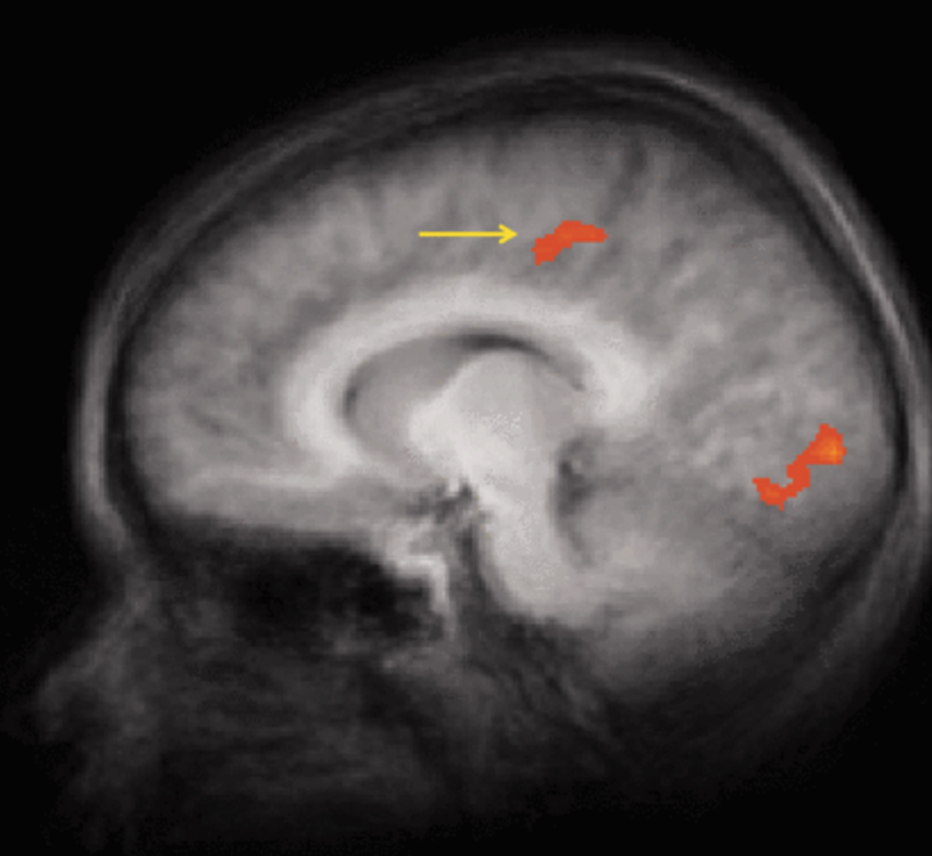
Preferences and Product Positioning
Impulsive purchases, trending products, and other transactions all share a commonality: they are often driven by carefully designed advertising strategies. Over the past few decades, digital advertising has revolutionized consumer engagement, enabling the advertisement industry to expand significantly (Baslandze et al. 2023). Strategies like product positioning are utilized throughout online media and physical establishments, effectively…
-
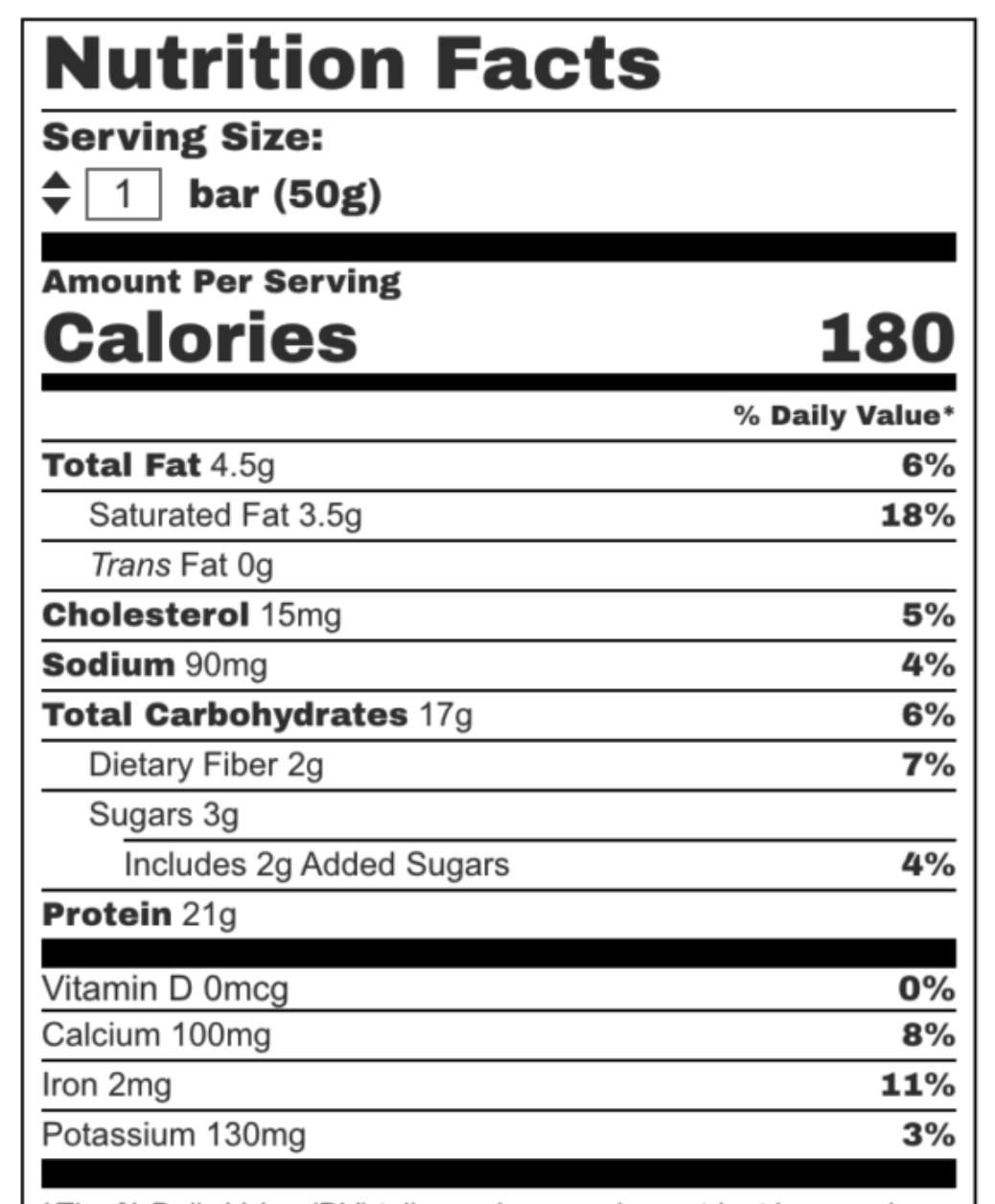
Protein or Poison: The Rise of the Glorified Candy Bar
Marketed as a convenient source of nutrition for busy and health-conscious individuals, protein bars have sky-rocketed in popularity on the global market. Although initially intended to boost post-workout recovery for physically active individuals, the abuse of protein bars as low-carbohydrate meal replacements or snacks by all consumers has become prevalent (Jovanov et al. 2021). However,…
-
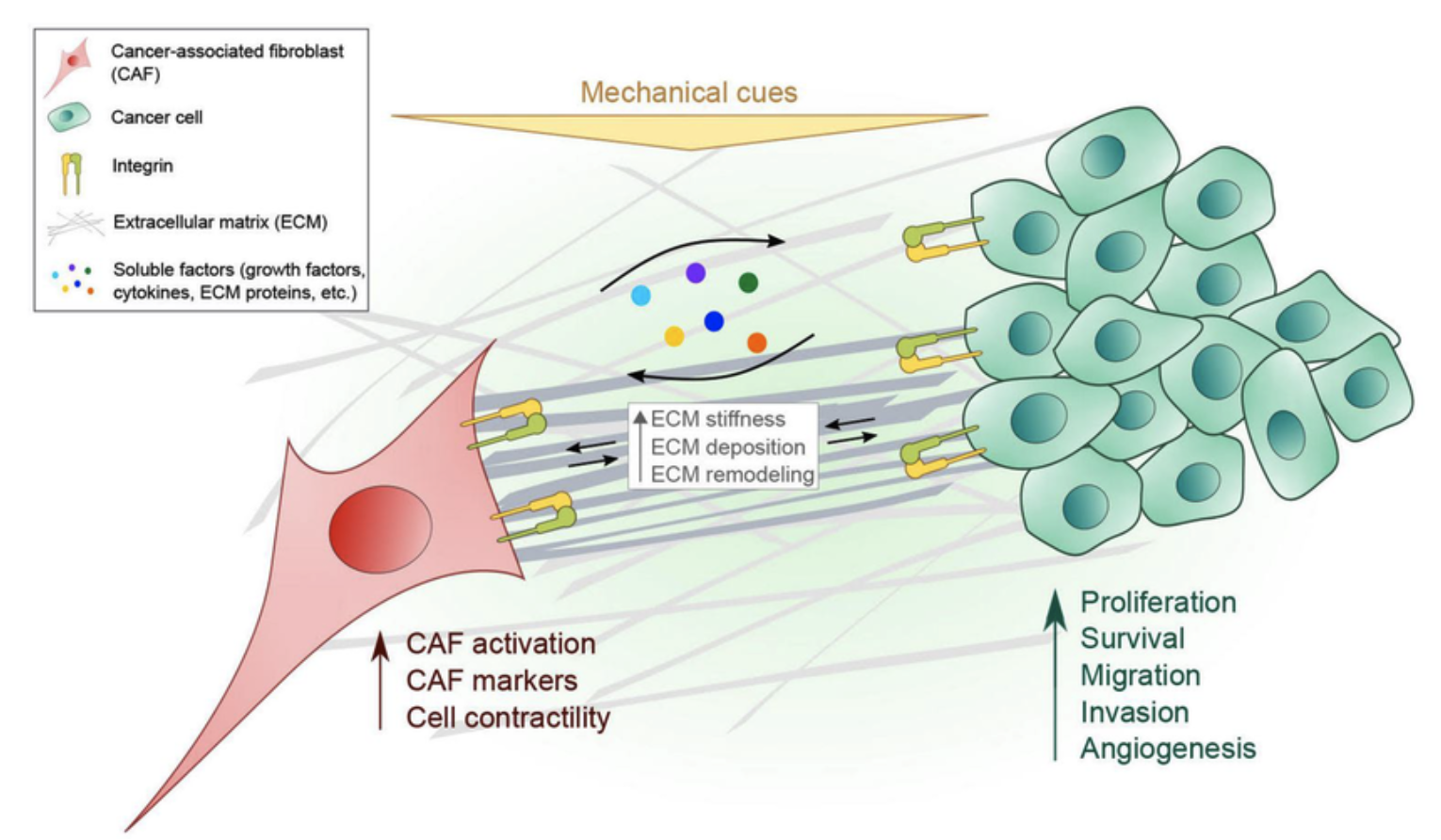
Reversing Drug Resistance in Cancer Cells
Cancer is a prevalent illness that many develop, often leading to death. Cancer remains the leading cause of death in Canada, as 1 in 4 Canadians die from cancer, and 2 in 5 are expected to be diagnosed with it at some point in their lives (Government of Canada 2021). Apart from being very widespread,…
-

Nuclear mass defect- Does 1+1 really equal 2?
As early as toddlerhood, our brains have been ingrained with the fundamental principle that one plus one equals two. This notion: that when you add two things together, you achieve a sum that is larger than either of the two original inputs, is near common sense. However, as in all sectors science, there are exceptions…
-
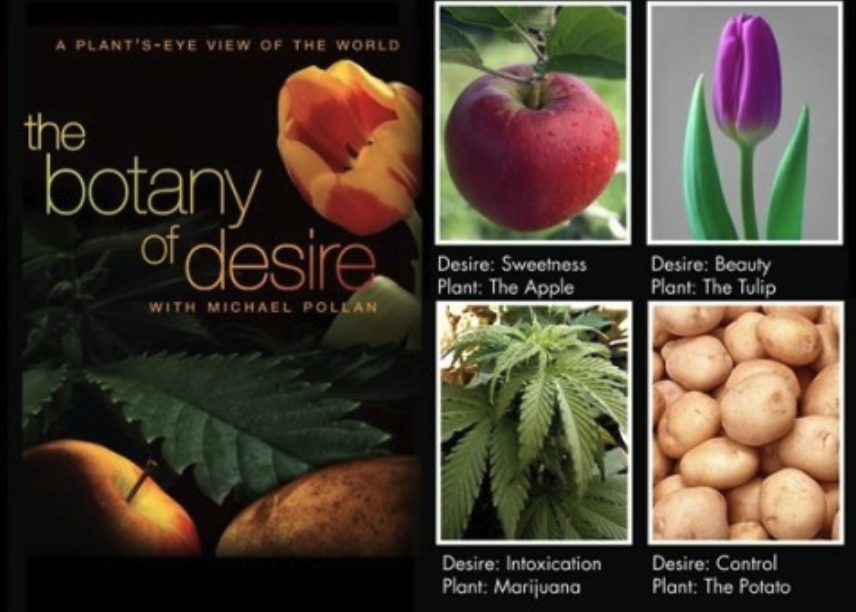
Beyond Bioinvasion: Uncovering the Mutualistic Benefits of Human-Ornamental Plant Relationships
The symbiosis between humans and ornamental or “domesticated” plants should be studied for insight regarding mutualism and the negative effects of exploitative relationships. Mutualism, as defined by modern ecological scientists, provides evolutionary fitness benefits and increases the likelihood of genetic transfer (Herre et al. 1999). Since the Neolithic period from around 8000 BC to 3000…
-
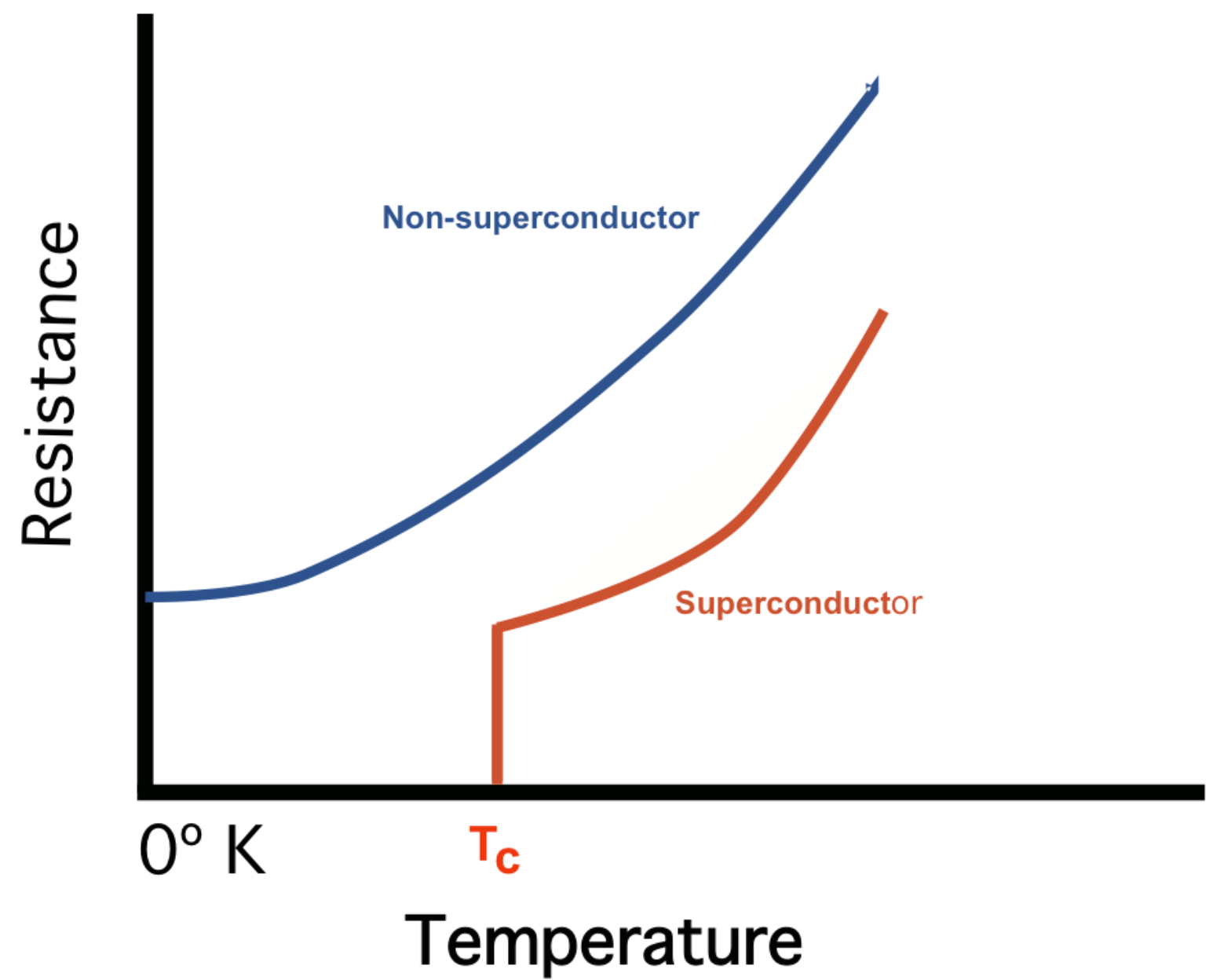
Room-Temperature Superconductivity?
Have you ever noticed that when your laptop is running for sometime it begins to get warm? A common issue across industry, research and even day-to-day activities is overheating technology. Due to electrical resistance in device components, most technology produces heat as a by-product. Electrical resistance was a difficult phenomenon to overcome, but it started…
-
Name Something Brighter than a Black Hole!
What is the biggest, brightest thing in the universe? Is it a star? A nebula? Surely, it’s not a black hole – it cannot be bright! That is technically correct, but the darkest things in the universe ironically also make for the brightest things in existence. Quasars are cores present in active galaxies that existed…
-
One Whiff and You’re Awake!
Imagine you are about to hit your personal record on a barbell squat exercise. You are standing over the bar with your hands covered in chalk and you are ready to conquer the challenge. All of a sudden, your hands start to sweat and you feel like you’re going to crack under pressure. So, you…