Category: public posts
The select public posts from syn·op·sis, written and reviewed by iSci students at McMaster University. Each post is interdisciplinary in nature, and a wide variety of subject matter is covered. So sit back, relax, and start learning.
-

Human Evolution – a Psychedelic Trip
When did humans branch off from our humanoid common ancestors and evolve into the distinct species we are today? Why and how did humans develop differently from our ape and chimpanzee relatives (Choi and LiveScience, 2023)? The Stoned Ape hypothesis believes that humans developed our complex cognitive abilities from a diet consisting of psychedelic mushrooms…
-
An Analytical Method for Quantifying Carcinogenic Nitrites in Processed Meats Copy
For many, processed meats are a dietary staple. From the cold cuts in sandwiches and the pepperoni on pizza to the salami in charcuterie boards, these meats pose significant health risks. In 2015, the World Health Organization classified processed meats as a group one human carcinogen (Zhu, et al., 2014). The group one categorization is…
-
Sun’s Out, Sunscreen’s Out
Sunscreen contains compounds that contribute to marine ecosystem degradation. It is for this reason that in 2021, Hawaii banned sunscreens containing the chemicals oxybenzone (BP-3) and octinoxate (Suh, et al., 2020). These two chemicals are damaging to coral reefs, which are already compromised due to anthropogenic factors, like pollution. This discussion is centred around BP-3…
-
Understanding Psychosis and Exploring Alternative Therapies
Psychosis is a symptom associated with a range of mental illnesses, such as schizophrenia, bipolar disorder, and depression. It has the tendency to alter an individual’s state of mind, and thus, distort their perception of reality (Kesby, et al., 2018). This may lead to the onset of positive symptoms. These are a subset of symptoms…
-
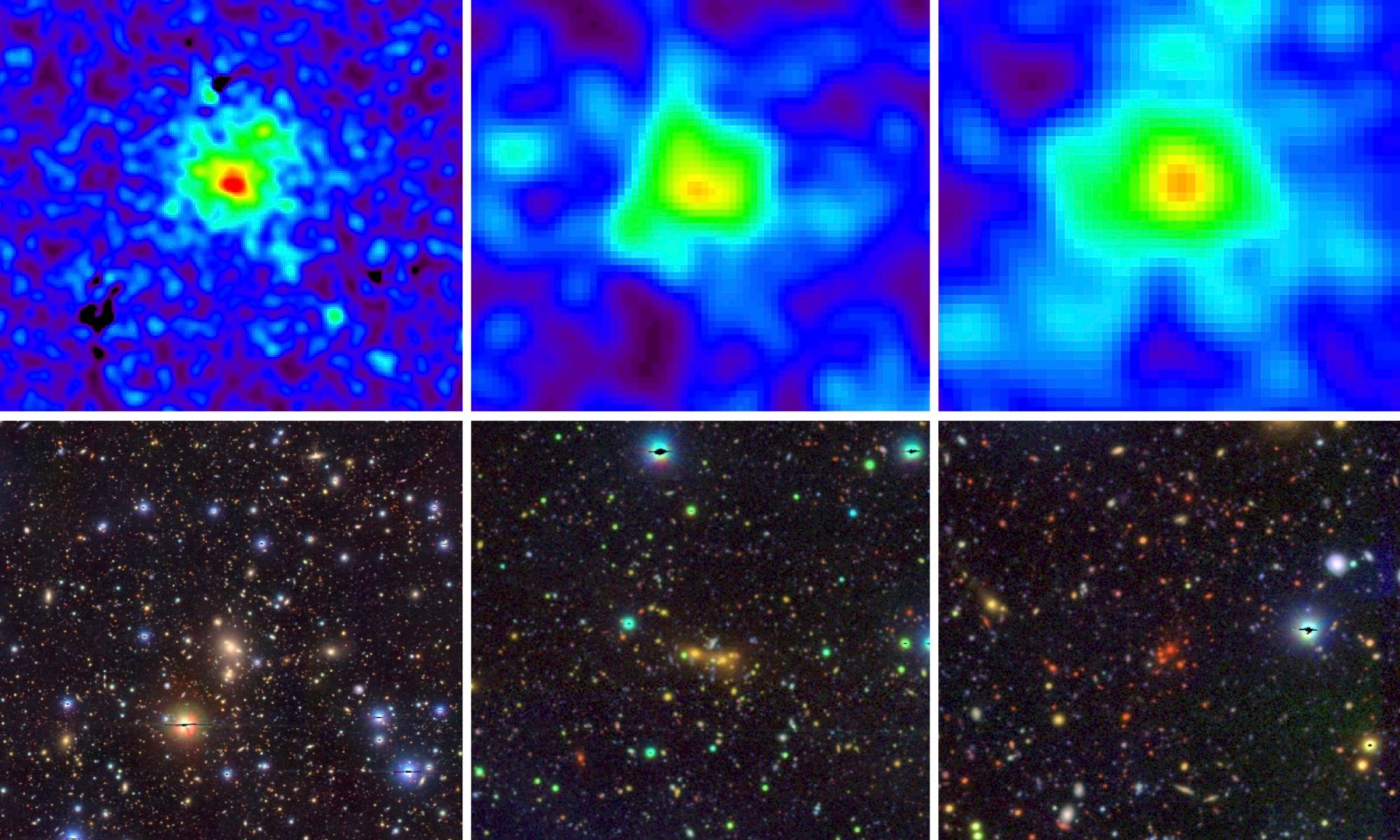
Unveiling Cosmic Secrets: Dark Energy
In the grandness of space, a recent study with the eROSITA X-ray telescope has revealed new insights into how our universe functions by exploring the fabric of space and time. The extended Roentgen Survey with an Imaging Telescope Array (eROSITA) X-ray, is essentially a space-based observatory designed to survey the sky in X-rays (Eppinga, 2023).…
-

Seeing Through Your Fingers
Close your eyes and listen. Listen to the noises you hear, the scents that you smell, and the feeling of skin surfacing your body. Why is it that we only notice this once our eyes are closed? This is the concept behind neuroplasticity. Neuroplasticity is the ability for the brain to reorganize itself by creating…
-
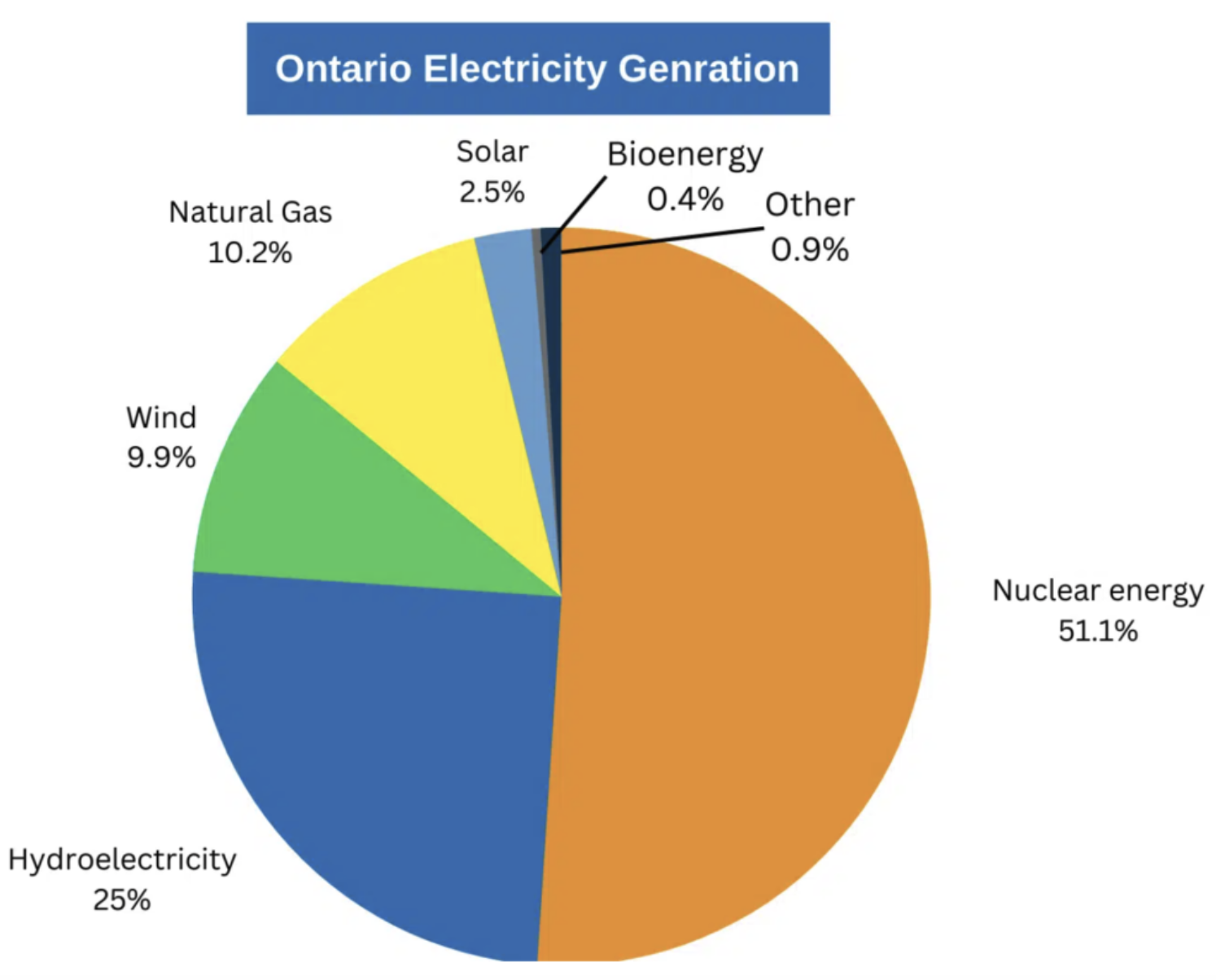
Electric Cars Are Fantastic! But not Perfect.
A decade ago, spotting an electric car on the roads would be a rare sight, but electric cars are now seen much more frequently. This is reflected in the fact that there was a 60% increase in electric cars from 2021 to 2022, forming a grand total of 26 million electric cars on the road…
-
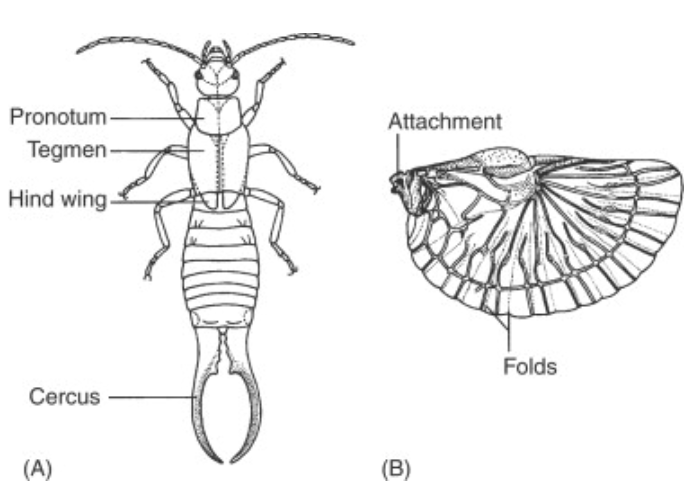
Earwigs: Beneficial Pest or Wine Making Stress?
When people think of the most terrifying creepy crawlies, earwigs may come to mind. Their name comes from a Western myth that claims they crawl into people’s ears to lay eggs in the brain (Ren et al., 2019). In reality, these arthropods prefer to hide under rocks, foliage and in moist crevices, not in human…
-
Click-y LEGO® Chemistry!
When it comes to the natural world, humanity has extreme difficulty imitating organic processes. From spider silk to bird flight, natural processes, while understood, can be near impossible to produce with human technology. The generation of organic molecules remained such a struggle, up until the foundational development of bioorthogonal click chemistry: a class of simple,…