Category: public posts
The select public posts from syn·op·sis, written and reviewed by iSci students at McMaster University. Each post is interdisciplinary in nature, and a wide variety of subject matter is covered. So sit back, relax, and start learning.
-
The Underwater Symphony
The best musicians also happen to be the largest. Growing from 13 to 16 meters in length and weighing in at 36 metric tons (Clapham, 2000), humpback whales are notorious for their large size, but despite their appearance, these mammals produce wavelengths that are responsible for the ocean’s most alluring and intricate sounds. Situated at…
-

Whale Watching With Two Eyes
As human activity surges, biodiverse ecosystems become increasingly susceptible to anthropogenically induced collapse: rising carbon emissions are acidifying the oceans, amplifying forest fires, and disrupting seasonal patterns. Even whales, the largest mammals on Earth, cannot escape these vicissitudes (Nicol, et al., 2020). Luckily, research-based wildlife stewardship is making significant advances to conserve whale species by…
-
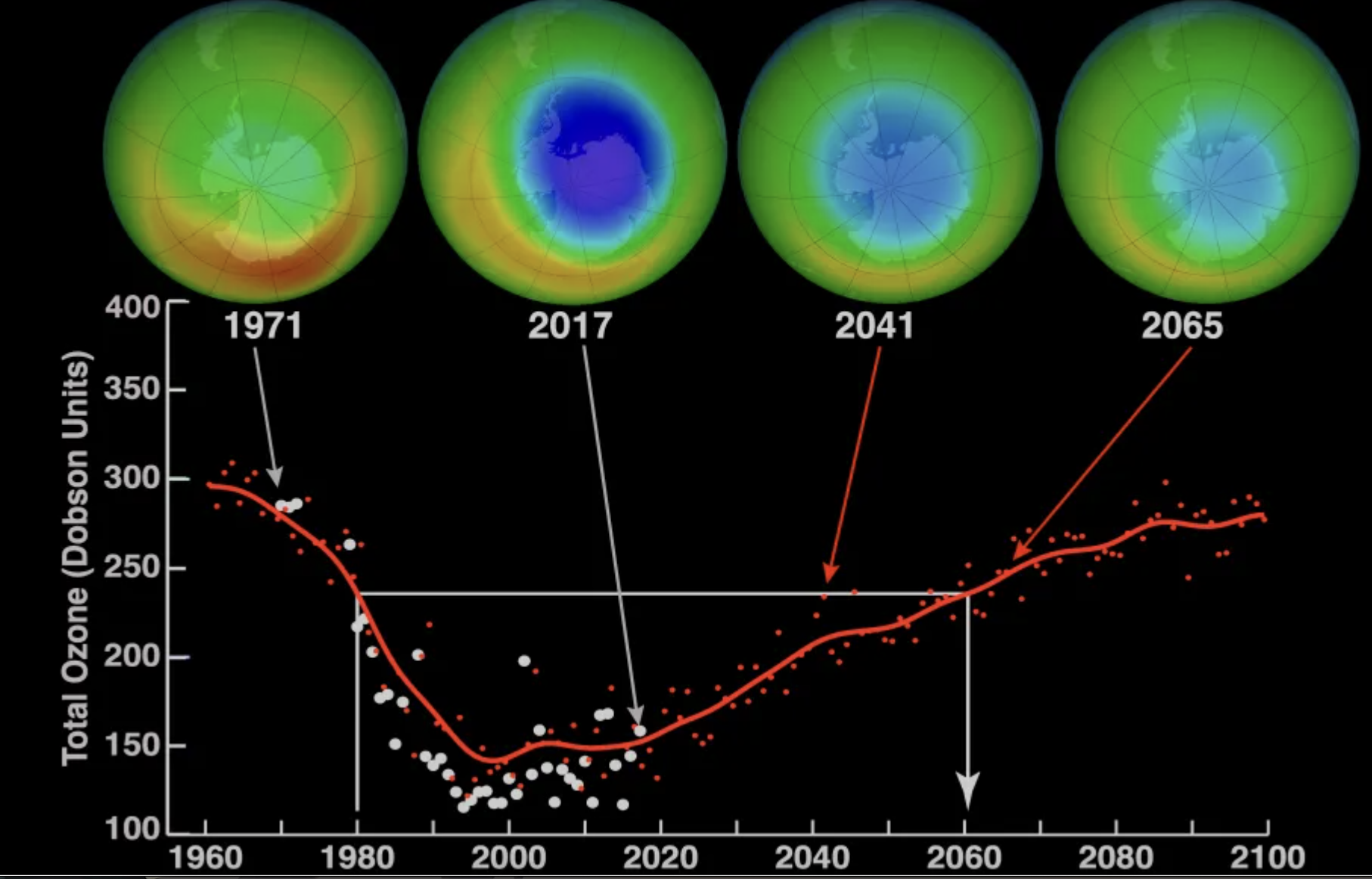
Frankly, Fridges
Fridges are appliances with a range of utility, from personal use in homes to commercial use in laboratories. The key component within these machines is refrigerant, a fluid which uses properties of the ideal gas law to allow heat to dissipate away from stored contents (McLinden and Huber, 2020). Despite contributing immensely towards efficient storage,…
-
PARP Inhibitors – Friend or Foe?
Breast cancer is the leading form of cancer in women, with 2.26 million new cases diagnosed in women in 2020 (IARC, 2023). Certain factors increase one’s risk for breast cancer, such as obesity and smoking. Another prominent risk factor is hereditary mutations (Cohen, et al., 2023), including within the BReast CAncer (BRCA) genes. BRCA genes…
-
The Future of Infection Detection
Urinary tract infections (UTIs) are a very common infection that affects 40% of women in their lifetimes (Bono, et al., 2023). UTIs are much less common in males due to biological differences in the urinary system, but they are still a relevant issue. The male urethra is roughly 5 times longer than the female, which…
-

DNA Data Storage
Within the next 50 years, present-day optical and magnetic storage methods will reach their limit, necessitating novel and economically-viable forms of long-term data storage as current mediums can not sustain our rapid accumulation of information. One alternative established by Harvard University geneticist George Church (2012) has proven most promising in the search for a definitive…
-

Your Ears Are Whispering
Your eyes do not produce light, nor does your tongue have a flavour, but your ears do make sounds! In 1978, acoustician David Kemp inserted a miniature microphone into a human ear canal and, for the first time, recorded nearly inaudible sounds originating from the inner ear (Kemp, 1978). These sounds have since been called…
-
Birth Control – But for Whom?
In light of the changing political climate, specifically with the recent overturning of Roe v. Wade in the United States, the rate of birth control prescriptions is on the rise (Langmaid, 2022). The most common form of birth control remains oral contraceptives (OCs), with 75% of Canadian and 88% of American females taking OCs at…
-
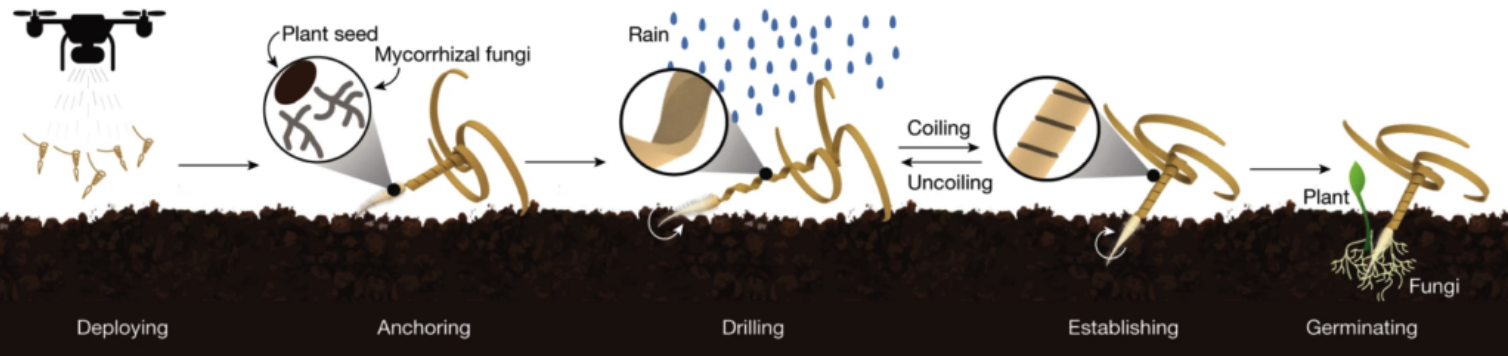
Fostering Future Forest Regeneration
In 2021, the world lost over 25 million hectares of tree cover—roughly the size of the United Kingdom (Global Forest Watch, 2023). While forest loss due to urbanization and agriculture will likely never be replenished, there is some hope for the 14 million hectares lost to wildfires and forestry. Through tree planting, we can regenerate…
-
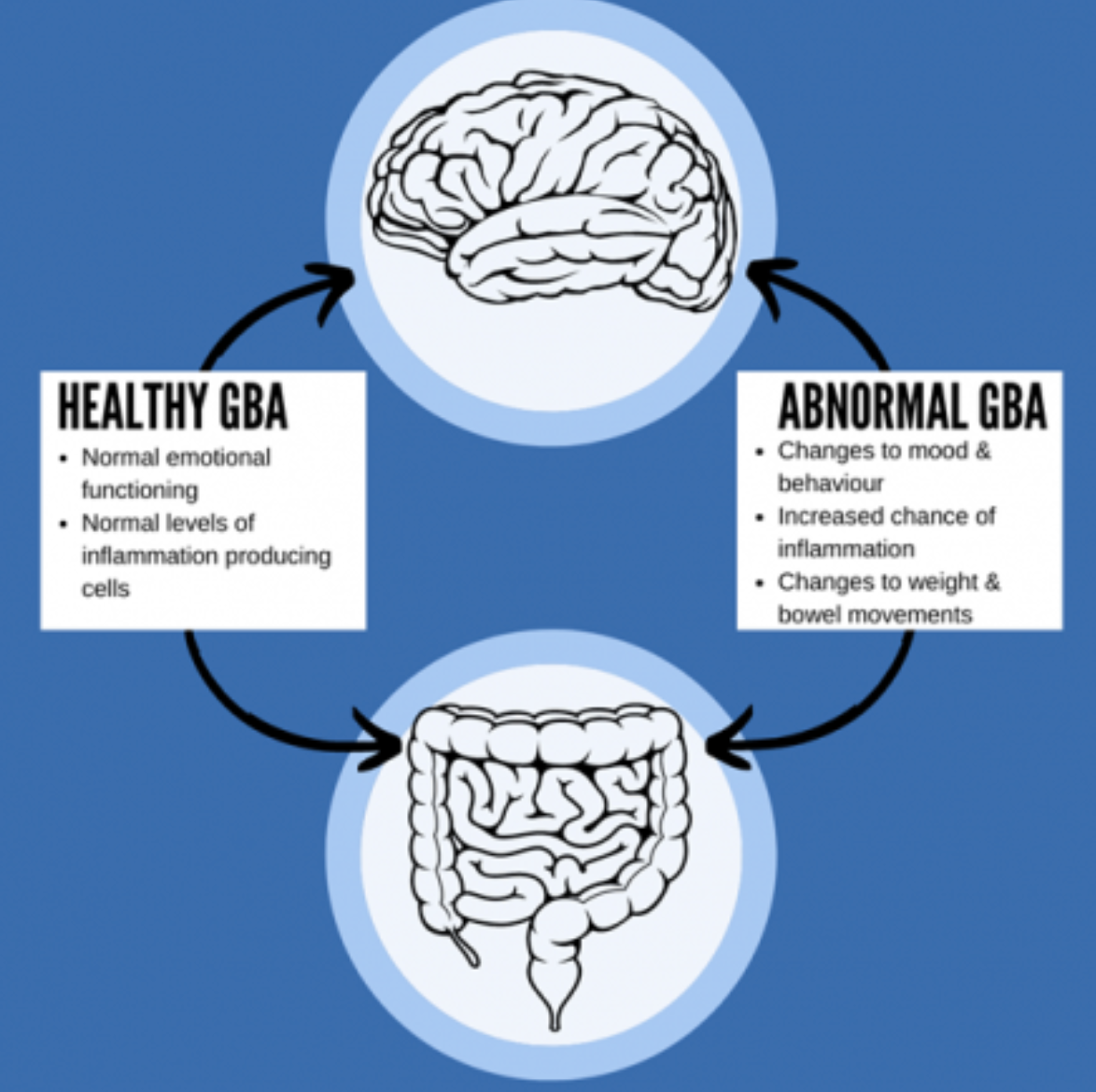
The Connection between IBD and Mental Health
Chronic illness can be incredibly debilitating both mentally and physically and can really take a toll on an individual’s quality of life. Youth with inflammatory bowel disease (IBD) including ulcerative colitis and Crohn’s disease, deal with pain on a day to day basis (Szigethy, et al., 2017). Essentially, IBD causes inflammation in the digestive tract,…