Category: public posts
The select public posts from syn·op·sis, written and reviewed by iSci students at McMaster University. Each post is interdisciplinary in nature, and a wide variety of subject matter is covered. So sit back, relax, and start learning.
-
Do I Help My Sports Team Win?
The Effect of Fans on Sport While you can “take [yourself] out to the ball game” and “root, root, root for the home team”, will it really alter the game’s outcome (Norworth and Von Tilzer, 1908)? Many sports fans, as well as sports literature, believe that fans’ stadium presence with their team, wearing the team’s…
-
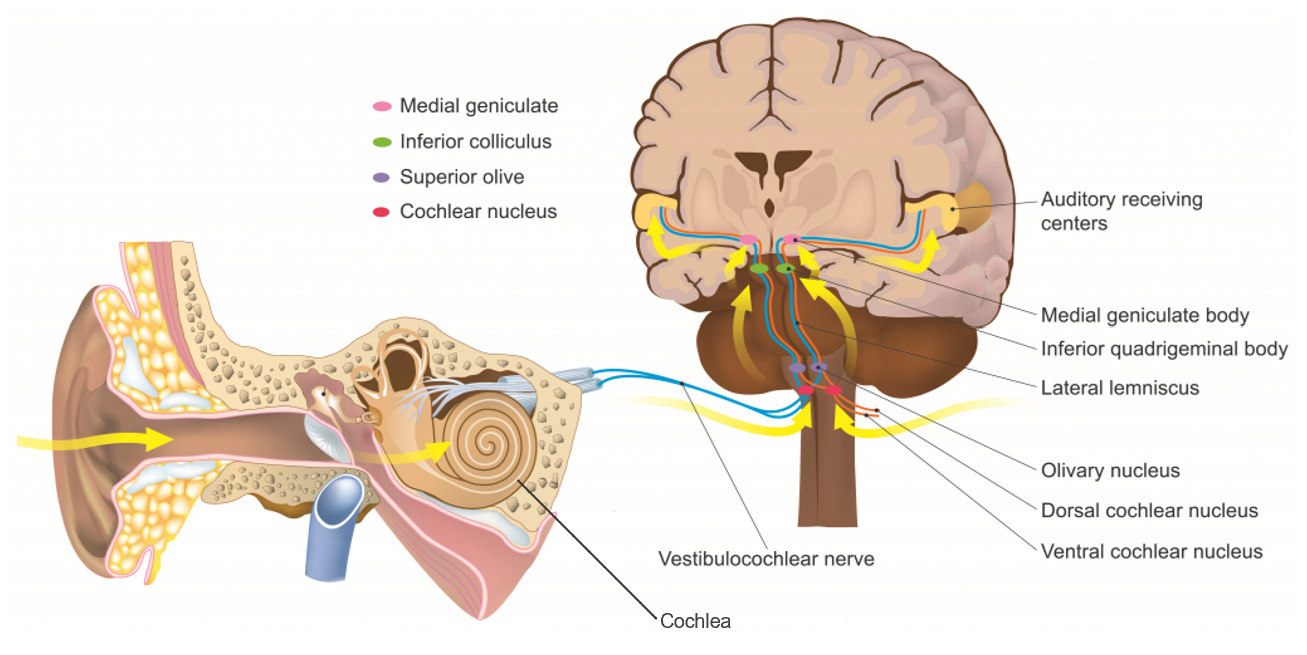
Phantom Sounds in the Pandemic
Do you ever hear a sudden ringing in your ears that no one else does? You are not alone. In fact, roughly 10% of American adults experience this chronic condition called tinnitus (National Institute on Deafness and Other Communication Disorders (NIDCD), 2017). Tinnitus is often distressing as it disrupts focus and relaxation. To make matters…
-
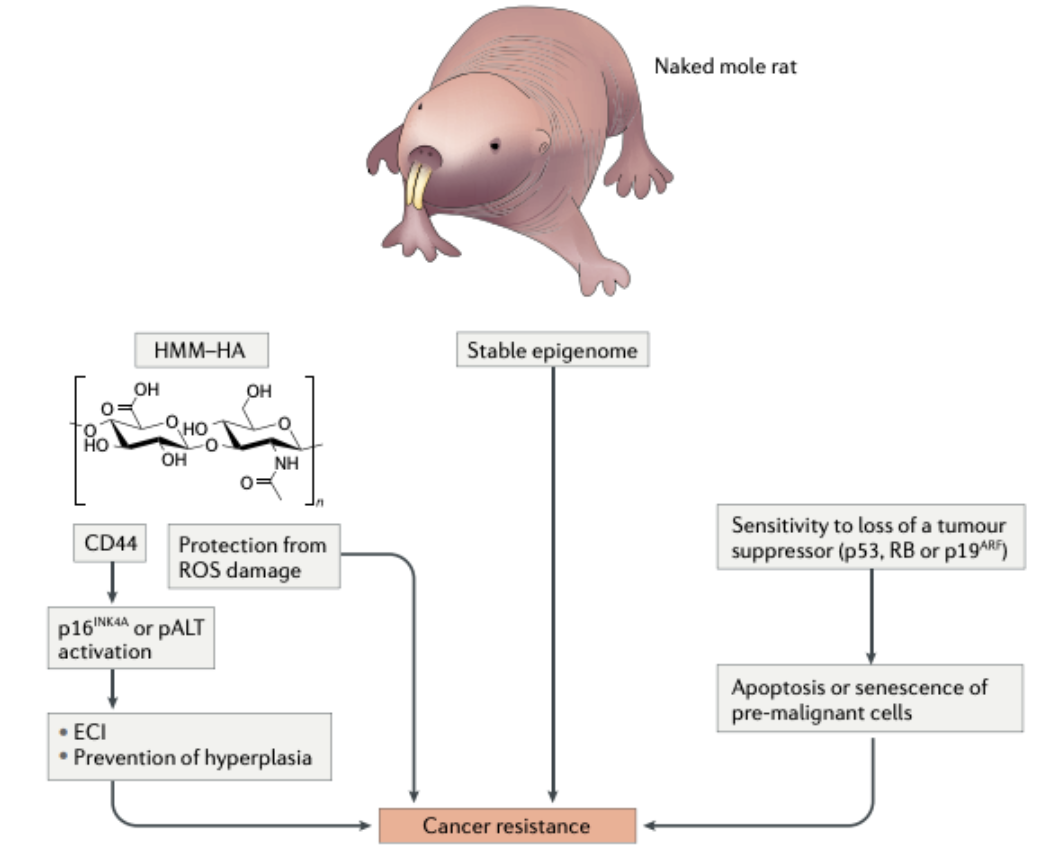
Cancern’t – Cancer is No Concern to These Critters
Whether it be dogs, humans or hamsters, cancer appears to affect all organisms. However, it does not affect all organisms equally. The naked mole-rat, Heterocephalus glaber, lives in underground burrows where they have no need for hair to protect them from the sun (San Diego Zoo, 2022). They are eusocial, meaning that they have a…
-
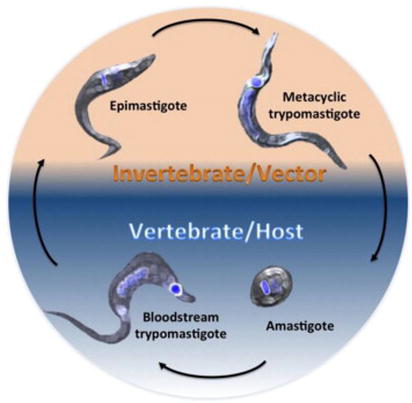
A Silenced Disease
Chagas disease is referred to as a silenced disease as it typically affects low-income communities, leading to a lack of motivation to find effective treatments (Alonso-Vega, et al., 2019). As a result, many people suffering with Chagas disease are driven into the cycle of poverty. This condition affects approximately 7 million people, mainly in Latin…
-
Greener Ecstasy: the environmental impacts of precursor choice
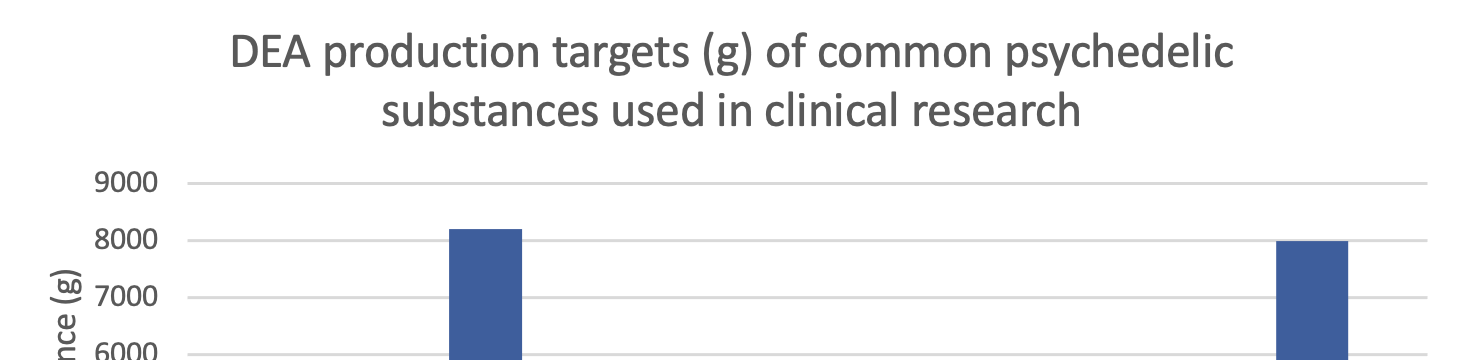
The U.S. Drug Enforcement Administration (DEA) projects the legal synthesis of 8200 grams of MDMA (ecstasy) in 2022, from 50 grams in 2021 (Figure 1) (DEA, 2020; 2021). This increase has led to the proposal of new synthetic pathways for the manufacturing of this drug, but the environmental impacts of these syntheses have not been…
-
Cichlid Speciation Explosion in Lake Tanganyika
Located in the heart of Africa lies the Great Rift Valley. Situated on a divergent plate boundary, this 7000 km series of trenches has fashioned a string of great lakes. The greatest of them all, Lake Tanganyika. As the second oldest lake and second largest lake by volume, Tanganyika has been an evolutionary powerhouse for…
-
Thwaites Glacier: are we skating on thin ice?
The impacts of climate change are all around us and can be observed in our everyday lives. A direct and progressively concerning consequence of climate change is the rise of global sea levels. Conservative trajectories predict that the sea level will rise 49-56 cm by 2100 (Kopp, et al., 2017). Worst-case scenarios predict increases of…
-
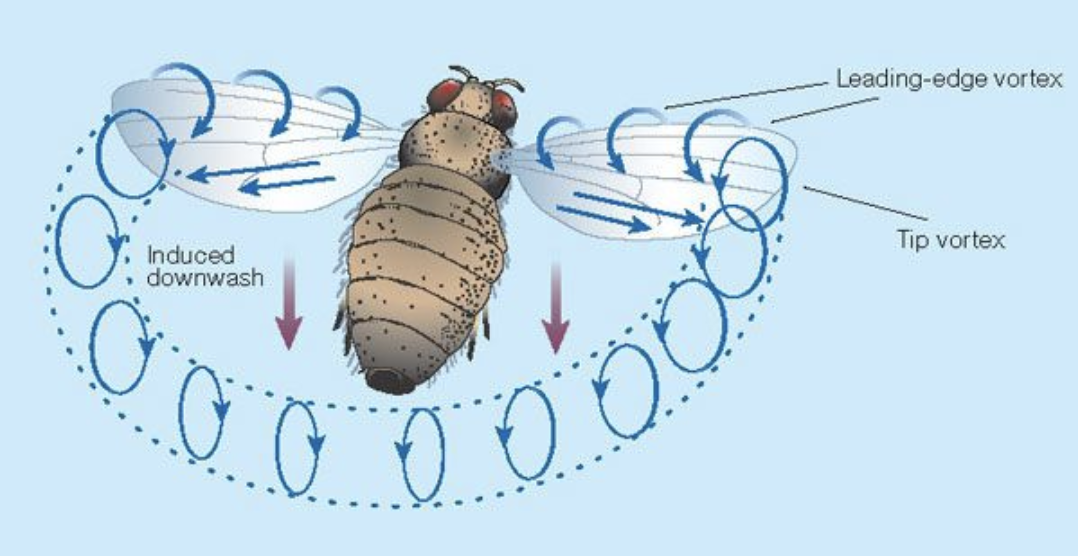
“According to all known laws of aviation, there is no way a bee should be able to fly,”- The Myth About Bees
“According to all known laws of aviation, there is no way a bee should be able to fly,” is a quote from Dreamworks’ 2007 animation Bee Movie. This fictitious claim originated from French entomologist, August Magnan, and mathematician Andre Sainte-Lague, who calculated that it should be impossible for bees to fly (Altshuler et al., 2005).…
-
The Dunning-Kruger Effect
If I were to ask you how good of a driver you think you are, or what score you think you would receive when given a standardized test, what would you say? Now if you were to actually undergo said driving or standardized test, would your score align with what you inferred? Probably not. This…
-
SPF 1000?
In 2020, the world’s largest reef, the Great Barrier Reef in Australia, experienced its third mass bleaching event in the last five years (Nelson, 2020). Exacerbated by climate change, extreme heat waves bleach coral as their thermal tolerance and photosynthetic symbionts are exceeded (Hoegh-Guldberg, 1999). While bleaching does not always lead to organism death, it…