Category: public posts
The select public posts from syn·op·sis, written and reviewed by iSci students at McMaster University. Each post is interdisciplinary in nature, and a wide variety of subject matter is covered. So sit back, relax, and start learning.
-

Mitochondrial Eve: The Powerhouse of Humanity
Mitochondrial DNA (mtDNA) is inherited solely from the mother, making it useful in tracing maternal lineage and studying human evolution. Its resilience in damaged samples helps track population movements across continents, revealing our common ancestor, “Mitochondrial Eve.” It is theorized that the mitochondria were once a prokaryotic microbe that was engulfed by a eukaryote (Martin,…
-

Seasoning Barrels – But Not With Spices!
The flavour of the wine you drink comes partly from wood, specifically, the wooden barrel it was aged in. Wooden barrels are an integral part of the wine aging process and affect the taste of wine in various ways. During fermentation, the wine is in contact with the wood, allowing chemicals from the barrel to…
-
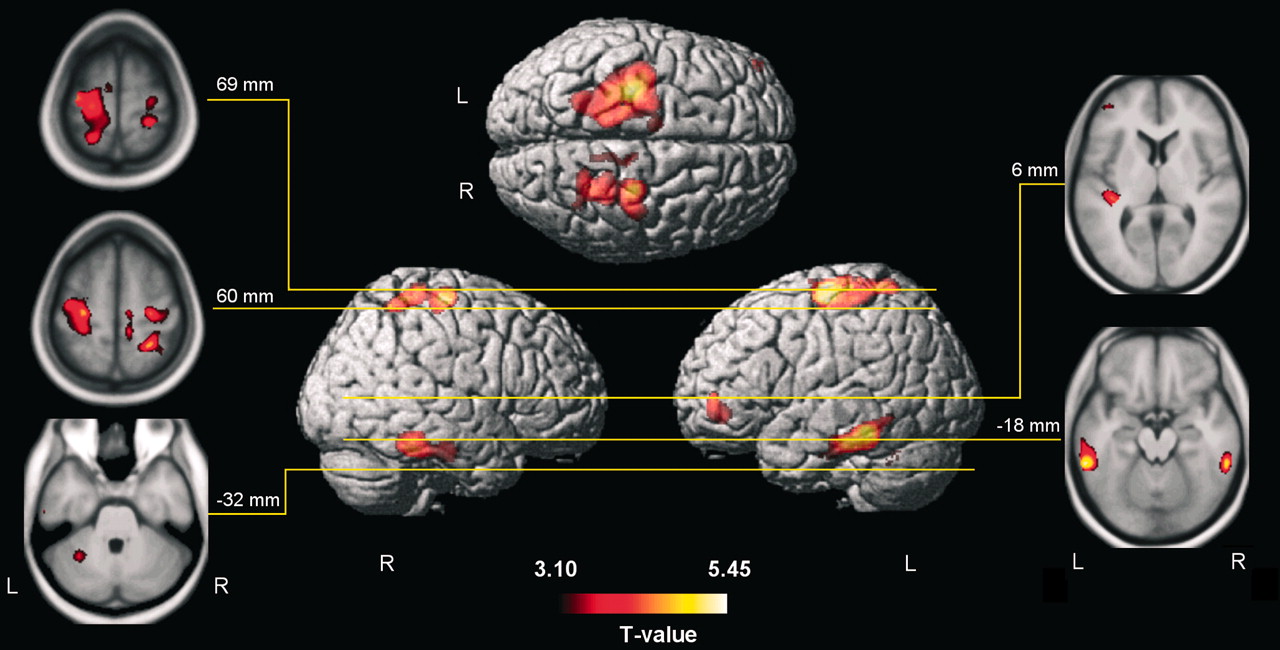
Musical Training: A Workout For Your Brain!
We all like to sing in the shower and play “Heart And Soul” on the piano, but did you know that playing musical instruments long-term can also make you smarter? Practicing an instrument not only improves your musical ability; it also works out your brain! Performing and practicing music is no easy task. Musicians take…
-

How Pregnancy Tests Led to the Decimation of Frog Populations
With readily available pregnancy tests stocked across drugstore shelves, it is hard to imagine a time when determining pregnancy was not so simple a task. Instead of the easy-to-use plastic cartridge we commonly imagine, the earliest reliable pregnancy tests utilised Xenopus laevis, also known as the African clawed frog (Nuwer, 2013). This method for identifying…
-
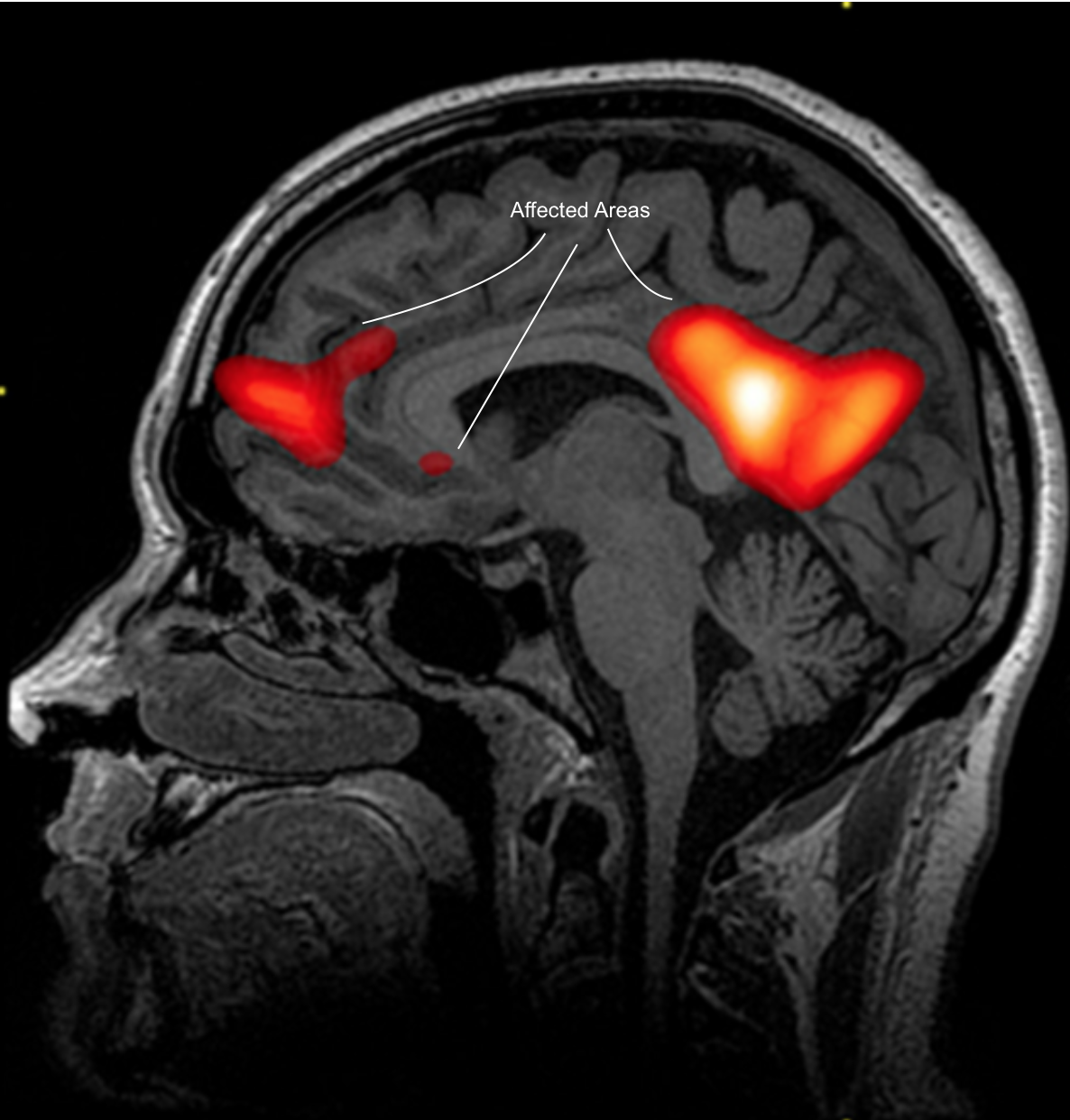
Love: A Social Construct or Just Science?
Despite the ridicule behind Love is Blind and The Bachelorette, the complex bridge that connects the realm of human emotions with the scientific understanding of our bodies does exist, in the form of love. From a scientific perspective, the early stages of falling in love behave similarly to the consumption of cocaine, with both processes triggering…
-

Has Climate Change Been On Your Brain?
Climate change has been on many of our minds recently – but what if it physically affects some people’s brains? Emerging research predicts that elevations in climate change-related air pollution can increase incidence of neurological disorders (Xu, Ha and Basnet, 2016). One of these disorders is multiple sclerosis (MS), an autoimmune disorder characterized by neuroinflammation…
-

Zombie Salmon: The Swimming Dead
The tranquility of a Muskoka chair, fishing rod, and glassy lake. What could disrupt this middle-aged man’s dream? The line is tugged, reeled back, and instead of yielding dinner – a corpse. The body of a salmon, missing skin, muscle tissue, an eye, and covered in fungal infection, yet it’s still fighting the line. Little…
-
The Difference between Alcohol Withdrawal and Hangover
Alcohol hangover is such a common issue there is a movie trilogy named after it. Very few people, however, will see or experience the full extent of withdrawal. Characterized by fatigue, headaches, light sensitivity, nausea and bad sleep, hangovers are felt by 25.5% of college students each week (Swift and Davidson, 1998; Meilman, et al., 1990). It is…
-
Navigating Urban Flood Risk: Assessment, Modelling, and Management
In the face of evolving climate dynamics, urban flooding is emerging as a major concern that calls for urgent action and demands prioritization in research initiatives. Since 1980, over 4588 flood disasters have occurred in 172 countries, causing the loss of over 250,000 people’s lives (Dąbrowska, et al., 2023). In nature, fluctuations in water levels…
-

Thalidomide: A Chirality Crisis
Thalidomide, known by some as the most infamous drug in medical history, was revolutionary when initially released to the public (Stephens, Bunde and Fillmore, 2000). It was first introduced in Germany in 1956 as a sedative as well as a prevention method for symptoms of morning sickness for pregnant women (Calabrese and Resztak, 1998). Unknown…