Before the advent of modern medicine, bacterial infections ravaged human society. A lack of treatment options available rendered infections such as bacterial pneumonia deadly.
However, an accidental discovery would lead to the development of bug-fighting medications known as antibiotics. In 1928, Physician Alexander Fleming was studying the bacterial genus Staphylococcus by cultivating it in petri dishes before leaving for a summer vacation (Gerberi, 2024). When he returned, he noticed that one of his petri dishes was now infected with mold, the area surrounding the growth completely bacteria-free. The antibacterial agent the mold produced is known as penicillin, the very first antibiotic to be isolated (Gerberi, 2024).
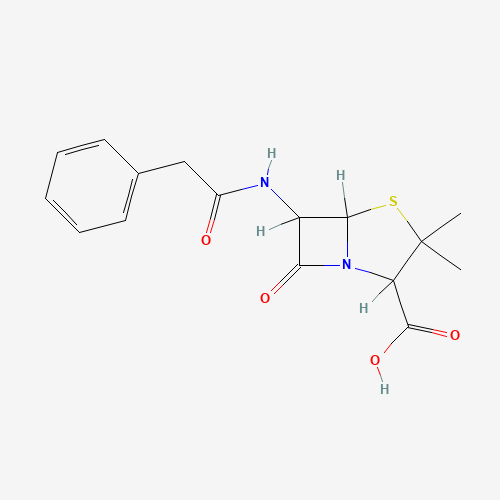
The many antibiotics available today have different molecular structures that allow them to target various bacterial functions while leaving human cells unharmed. Penicillins weaken the bacterial cell wall by inhibiting the transpeptidase that cross links peptidoglycans in the bacterial cell wall, causing the cell wall to fall apart leading to cell death (Yocum et al. 2021). The β-lactam ring in penicillin is responsible for the enzyme binding.
However, humanity may be falling out of its honeymoon phase with antibiotics as cracks begin to show. Increasingly, overuse of antibiotics in agriculture and healthcare has led to the selection of antibiotic-resistance genes in bacteria, creating super-bugs that have developed mechanisms to defend against antibiotics (Olawoyin et al. 2026). If unaddressed, bacterial infections would become harder to treat.
Like antibiotics, bacteriophages are another treatment which can be used for bacterial infections. Bacteriophages are viruses which infect bacteria as part of their life cycle. Phage therapy has been used to treat infections since the early 20th century, before the advent of antibiotics (Ganeshan et al. 2019). Unlike antibiotics which can target multiple types of bacteria, bacteriophages are highly specialized to target their prey bacteria, leaving helpful or harmless bacteria behind. The viral life cycle varies but always involves injection of the viral genome into the host cell genome. Transcription and translation of the genome then assembles new viruses that can infect other cells (Ganeshan et al. 2019). A major advantage to phage therapy is that it can effectively treat antibiotic-resistant bacterial infections. Additionally, the large selection of bacteriophages available means that new phages can be isolated even when bacteria develop resistance (Ganeshan et al. 2019).
Phage therapy introduces unique challenges as opposed to antibiotics. Individual bacteriophages are hyper-specific to their host bacteria, whilst individual antibiotics can target many strains of bacteria (Ganeshan et al. 2019). Critically, bacteriophages haven’t received the same R&D as antibiotics in western medicine. Issues with phage collection and distribution are still major roadblocks in treating infections with phage therapy (Ganeshan et al. 2019).
There is no perfect, cure-all treatment for any medical complication, much less a bacterial infection. Nonetheless, bacteriophage and antibiotic co-administration can help to impede treatment-resistant bacteria prevalence. It is unlikely that bacteriophages will completely replace antibiotics, but they host unique benefits that make them bound to go viral.
References
Divya Ganeshan, Sharita, and Zeinab Hosseinidoust. 2019. “Phage Therapy with a Focus on the Human Microbiota” Antibiotics 8, no. 3: 131. https://doi.org/10.3390/antibiotics8030131
Gerberi, Danielle. 2024. “Alexander Fleming: A Second Look.” Journal of the Medical Library Association 112 (1): 55–59. https://doi.org/10.5195/jmla.2024.1780.
Olawoyin Damilare, Mushapha Lukman, Obayomi Oluwatobi, and Obayomi Kehinde. 2021. “Foodborne and environmental biofilms as drivers of antimicrobial resistance: A one health perspective.” Environmental Research 306 (125375): 1-24. https://www-sciencedirect-com.libaccess.lib.mcmaster.ca/science/article/pii/S0013935126017068?via%3Dihub#abs0010
PubChem, “Penicillins,” PubChem, n.d., https://pubchem.ncbi.nlm.nih.gov/compound/2349.
Yocum, James Rasmussen, and Jack Strominger. “The Mechanism of Action of Penicillin.” The Journal of Biological Chemistry 255 No. 3 (January 2021): 3977-3986. https://www.sciencedirect.com/science/article/pii/S0021925819856211?via%3Dihub


Leave a Reply
You must be logged in to post a comment.