One of the most prolific predators on earth, the orca is both iconic and beloved. Since the 1960s, humans have become captivated by their strength, their intelligence, and most importantly, their seemingly docile demeanor towards humans. That’s not to say they aren’t incredibly prolific hunters, they absolutely are, but there have been zero confirmed deaths attributed to wild orcas (“All About KIller Whales – Diet & Eating Habits | United Parks & Resorts”, n.d.). There are countless videos online of people kayaking past curious orcas, or swimming next to entire pods of them all while leaving completely unscathed. But how is it that orcas, such a formidable predator, don’t take the opportunity to nab a human for lunch?
part of answer is the same reason you wouldn’t eat a squirrel. We have specific animals we consider food, and ones we don’t. Orcas are highly intelligent, so much so that they even have their own cultures and distinct vocalizations. Thus its widely accepted that like humans, some animals fall outside of their cultural hunting preferences. After all different orca populations hunt different prey, such as the resident orcas hunting almost exclusively Chinook salmost while transient orcas often focus on marine mammals.(Stiffler, n.d.). But I would like to explore another facet of this mystery. Namely, I want to know: are we calorically worth being called “prey”?
We don’t primarily live in the ocean, for one. but aside from the obvious, humans globally weigh an average of 136 pounds (Rettner 2013), and according to a study done by James Cole of the University of Brighton, humans contain a grand total of 118,440 calories in total excluding bone (“For cannibals, here’s the caloric content of humans—it’s just meh”, n.d.). The average Killer whale requires around 170,000 calories a day (Ball 2022). This would sound like a compelling case for human consumption, but we’re actually lagging behind a lot of other prey orcas consume. For example harp seal blubber contains around 4036 calories per lb (Worthy and Lavigne 1983), and a seals blubber makes up to half of its body weight. A harp seal may weigh up to 300 pounds, and if half that weight is blubber a single seal could provide up to 605400 calories from its blubber alone, far surpassing the 118,440 calories of edible matter in a human. This huge discrepancy in caloric value is because blubber is far fattier (thus more calorie dense) than the muscle tissue that makes up around 40% of your bodies compisition. This is, of course, one example of the countless animals orcas prey on of course, but when much of its prey is either covered in nutritious, calorie rich blubber, hang out in groups of hundreds, or encountered often enough to be more than a novelty, humans become much less appealing
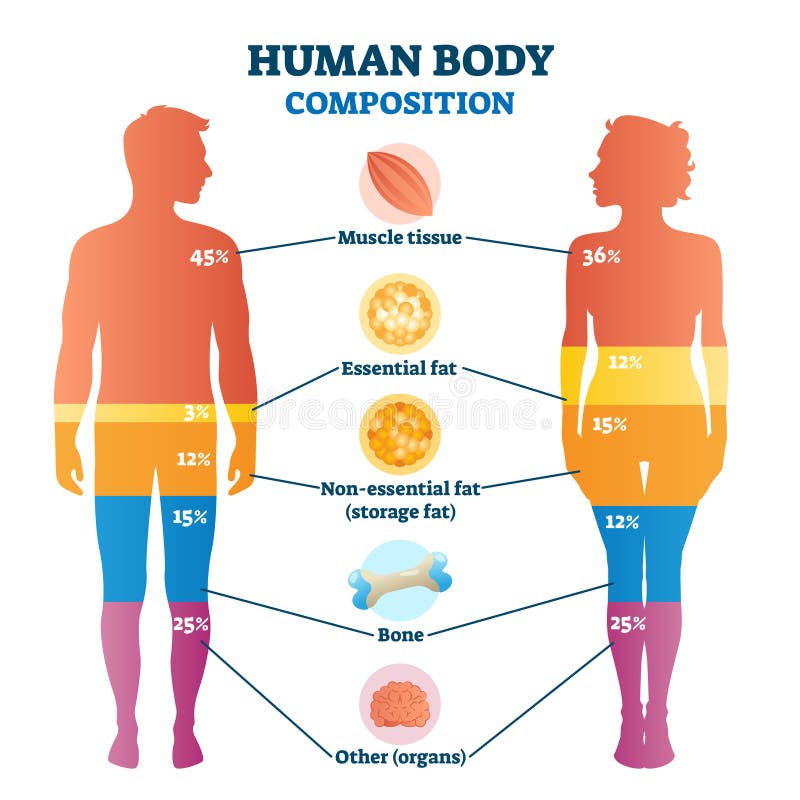
To put it simply, humans aren’t particularly energy-dense compared to an orcas prey. We aren’t very big, we don’t have many calories per pound of flesh, and there aren’t enough of us in the ocean where the opportunity to become part of their learned hunting behaviour could rise. One single human can’t even feed a whole orca, much less keep the whole pod full.
References
“All About a Great White Sharks Liver.” n.d. Ocean Safaris. Accessed September 20, 2026. https://oceansafaris.com/2024/01/23/all-about-a-great-white-sharks-liver/.
“All About KIller Whales – Diet & Eating Habits | United Parks & Resorts.” n.d. Seaworld.org. Accessed September 20, 2026. https://seaworld.org/animals/all-about/killer-whale/diet/.
Ball, David P. 2022. “B.C.’s endangered killer whales have been going hungry for years, study finds.” CBC. https://www.cbc.ca/news/canada/british-columbia/southern-resident-orcas-malnourished-ubc-study-1.6503594.
Boyer, David. n.d. “Blubber.” Education | National Geographic Society. Accessed September 19, 2026. https://education.nationalgeographic.org/resource/blubber.
“Carbohydrates, Proteins, and Fats – Nutrition – Merck Manual Consumer Version.” n.d. Merck Manuals. Accessed September 19, 2026. https://www.merckmanuals.com/home/disorders-of-nutrition/overview-of-nutrition/carbohydrates-proteins-and-fats.
“For cannibals, here’s the caloric content of humans—it’s just meh.” n.d. Ars Technica. Accessed September 19, 2026. https://arstechnica.com/science/2017/04/counting-calories-of-going-cannibal-on-a-paleo-diet-human-flesh-is-just-meh.
Rettner, Rachel. 2013. “The Weight of the World: Researchers Weigh Human Population.” LiveScience. https://www.livescience.com/36470-human-population-weight.html.
Rink, Sasha. n.d. “Orca (killer whale) facts.” World Animal Protection Canada. Accessed September 20, 2026. https://www.worldanimalprotection.ca/blogs/orca-killer-whale-facts/.
Rode, Karyn D., Charles T. Robbins, Craig A. Stricker, Brian D. Taras, and Troy N. Tollefson. 2021. “Energetic and health effects of protein overconsumption constrain dietary adaptation in an apex predator.” Sci Rep, (July).
Stiffler, Lisa. n.d. “Understanding Orca Culture.” Smithsonian Magazine. Accessed September 19, 2026. https://www.smithsonianmag.com/science-nature/understanding-orca-culture-12494696.
Vincent, Chloe. 2019. “Calendar Image: The Moose.” Nature Canada. https://naturecanada.ca/news/blog/calendar-image-the-moose/.
Webb, Kevin, and Erika Engelhaupt. n.d. “Cannibalism Study Finds People Are Not That Nutritious.” National Geographic. Accessed September 19, 2026. https://www.nationalgeographic.com/science/article/human-cannibalism-nutrition-archaeology-science.
Worthy, Graham A., and D. M. Lavigne. 1983. “Changes in Energy Stores during Postnatal Development of the Harp Seal, Phoca groenlandica.” Journal of Mammalogu 64, no. 1 (February): 89-96.

Leave a Reply
You must be logged in to post a comment.